
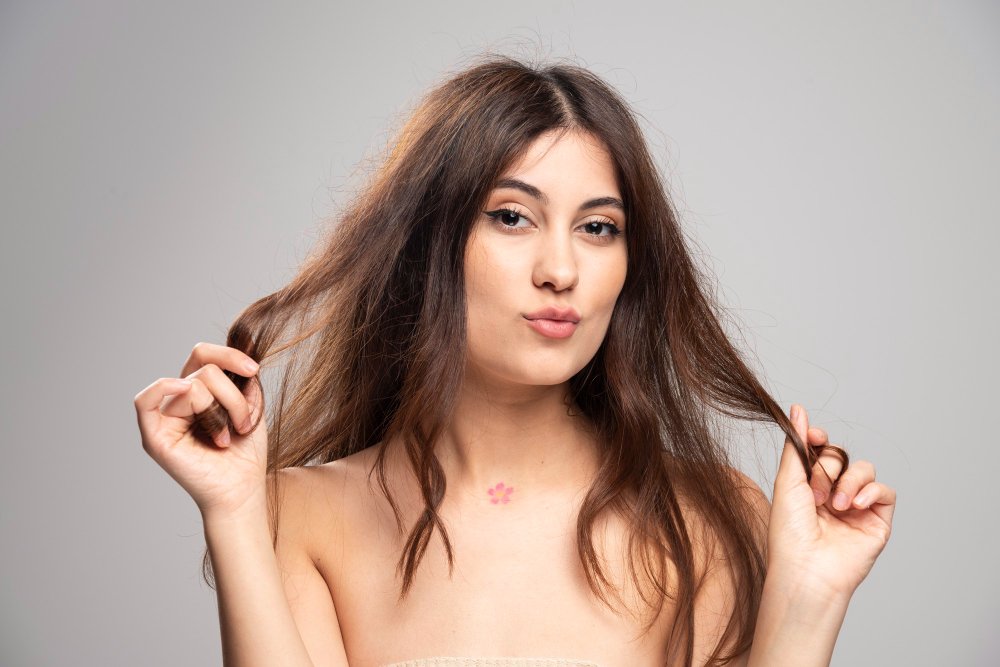

We’ve all been there. You spend time styling your hair to perfection, only to step outside and watch it transform into a frizzy mess within minutes.
Sound familiar?
Frizzy hair is one of the most common hair frustrations people face. But here’s the good news: once you understand what causes frizzy hair and how to manage it properly, you can transform those unruly strands into smooth, beautiful locks.
What Exactly Is Frizzy Hair?
Frizzy hair occurs when individual hair strands don’t align with the rest of your hair. Instead of lying smooth and flat, these rebellious strands stick out in different directions, creating that rough, fuzzy appearance.
Think of your hair cuticle like shingles on a roof. When those shingles lay flat and smooth, your hair looks sleek and shiny. But when the cuticle becomes raised or damaged, it creates an irregular texture that we recognize as frizz.
Frizz isn’t exclusive to curly or wavy hair. Even people with naturally straight hair can experience frizz when their hair lacks moisture or becomes damaged.
Why Is My Hair So Frizzy? Understanding the Root Causes
The main culprit behind frizzy hair is simple: lack of moisture.
When your hair is dehydrated, it actively seeks moisture from the surrounding environment. In humid conditions, your dry hair absorbs moisture from the air, causing the hair shaft to swell and the cuticle to lift.
Humidity and Weather
High humidity is frizz’s best friend. When there’s excess moisture in the air, your hair cuticle opens up to absorb it, disrupting the bonds that give your hair its shape.
Heat Styling Damage
Frequent use of flat irons, curling wands, and blow dryers can seriously damage your hair’s protective cuticle layer. Even washing your hair with water that’s too hot can strip away natural oils.
Friction and Mechanical Damage
How you dry your hair matters tremendously. Rubbing your hair vigorously with a regular cotton towel creates friction that roughens the cuticle and encourages frizz.
Even your pillowcase can contribute. Tossing and turning on cotton bedding creates friction that leaves you with a frizzy halo come morning.
Chemical Treatments
Chemical relaxers, perms, hair dye, and bleaching can all weaken your hair’s structure. Even some hair products contain harsh ingredients like sulfates that strip your hair of natural oils.
How to Get Rid of Frizzy Hair: Proven Solutions
Let’s talk about solutions that actually work.
Master Your Washing Technique
Start with a hydrating shampoo that doesn’t contain harsh sulfates. Focus the shampoo on your scalp and let it rinse down through your lengths.
Reduce your washing frequency to 2-3 times per week. Over-washing strips your hair of natural oils that protect against frizz.
When conditioning, let it sit for at least two minutes before rinsing with cool or lukewarm water.
Change How You Dry Your Hair
Ditch the rough cotton towel immediately. Instead, gently squeeze excess water using a microfiber towel or an old t-shirt. Pat or scrunch your hair dry rather than rubbing vigorously.
If you’re using a blow dryer, apply a heat protectant first and use the cool setting. Consider investing in an ionic blow dryer, which helps seal the cuticle while drying.
Apply Products to Soaking Wet Hair

Apply your leave-in treatments and styling products while your hair is still dripping wet, not just damp. This creates a protective barrier against frizz.
Protect Your Hair While You Sleep
Switch from cotton pillowcases to silk or satin ones. These materials create less friction while you sleep, helping prevent morning frizz.
You can also try protective nighttime styles like loose braids or a gentle bun.
Hair Products for Frizzy Hair That Actually Work
The right products can transform your routine.
Hydrating Shampoos and Conditioners
Choose formulas specifically designed for dry or damaged hair. Look for ingredients like argan oil, jojoba oil, coconut oil, glycerin, and keratin.
Avoid products containing sulfates and heavy silicones, as they can create buildup that makes frizz worse.
Leave-In Treatments and Serums
Leave-in conditioners are essential for locking moisture into your hair throughout the day. Look for lightweight formulas that won’t weigh hair down.
Anti-frizz serums create a protective barrier around each strand. Apply a small amount to damp hair, focusing on mid-lengths and ends.
Hair Masks
Use a deep conditioning mask once or twice weekly for intensive moisture. These treatments fill gaps in the hair cuticle, creating a smoother surface.
Natural Hair Oils
Natural oils like argan, coconut, and jojoba are excellent for taming frizz while adding shine. Apply a few drops to damp or dry hair.
Haircuts for Frizzy Hair That Make Styling Easier
The right haircut can be a game-changer for managing frizzy hair.
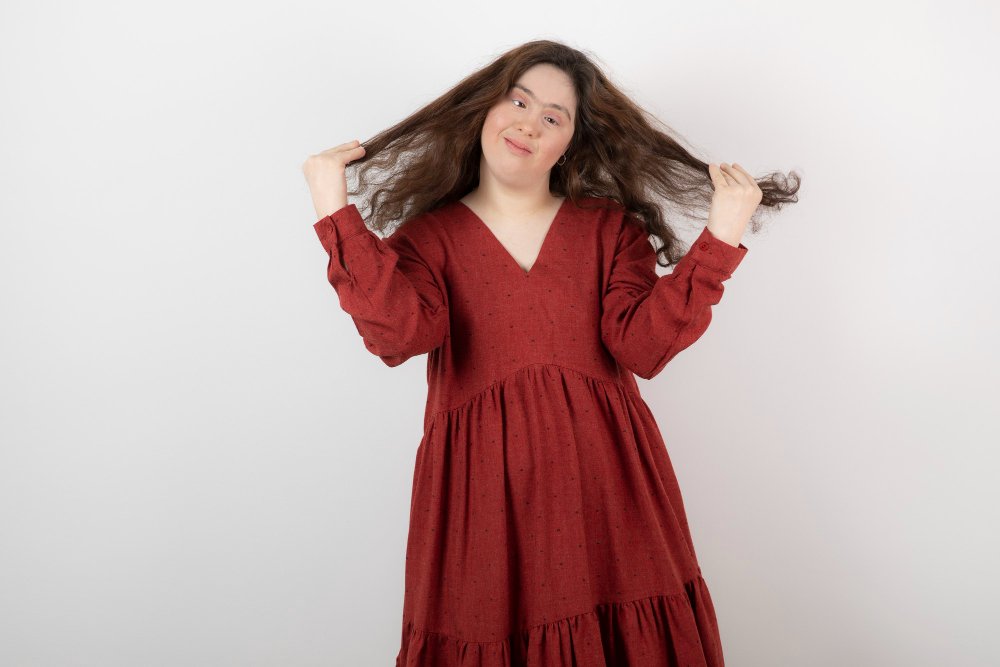
Layered Cuts
Layers remove bulk and distribute frizz more evenly. They add movement and make your hair easier to manage. Ask for soft, blended layers rather than choppy ones.
Bob Cuts
A classic bob provides enough weight to control frizz while feeling manageable. This cut helps tame flyaways and adds polish to your look.
Shoulder-Length Styles
This length provides enough weight to calm puffiness without being too heavy. It’s versatile enough to wear straight, wavy, or curled.
For Frizzy Hair Men
Shorter haircuts generally make frizz more manageable for men. Classic fades, close-cropped cuts, and textured styles work well.
If you prefer longer hair, consider a layered cut that distributes weight evenly. The curly undercut is particularly popular.
Hairstyles for Frizzy Hair That Look Effortlessly Chic
Sometimes the best way to handle frizz is to work with it rather than against it.
Messy Bun
Pull your hair into a high ponytail, twist it around into a bun, and secure with bobby pins. This style actually looks better with texture.
Loose Braids
Braids are excellent for containing frizz while adding visual interest. French braids, side braids, or simple three-strand braids all work beautifully.
Beach Waves
Instead of fighting your natural texture, enhance it with texturizing spray. Scrunch your hair while it dries for effortless waves.
How to Fix Frizzy Hair: Natural Remedies
These frizzy hair remedies can help manage your mane naturally.
Coconut Oil Treatment
Apply coconut oil as an overnight treatment or pre-shampoo mask. It penetrates the hair shaft to provide deep moisture and protection.
Aloe Vera Gel
Pure aloe vera gel smooths frizz while adding moisture. Apply a small amount to damp hair as a natural leave-in treatment.
Apple Cider Vinegar Rinse
Mix apple cider vinegar with water and use it as a final rinse after shampooing. This helps seal the cuticle and add shine.
Hair Treatment for Frizzy Hair: Professional Options
Professional treatments can provide longer-lasting results.
Keratin Treatments
These salon treatments infuse your hair with protein, smoothing the cuticle and reducing frizz for several months. Results typically last through multiple washes.
Bond-Building Treatments
Products with bond-building technology repair damaged connections within your hair structure, making it stronger and less prone to frizz.
How to Stop Frizzy Hair: Prevention Tips
Prevention is always easier than cure.
Don’t touch your hair frequently, especially while drying. This creates unnecessary friction.
Get regular trims every 6-8 weeks. Split ends are extremely frizz-prone.
Protect your hair from environmental damage by wearing hats in strong sunlight and using UV-protection products.
Maintain a healthy diet rich in vitamins A and E, biotin, and omega-3 fatty acids. What you eat affects your hair’s health.
Stay hydrated. Dehydration makes your hair more prone to becoming frizzy.
Managing Frizzy Curly Hair
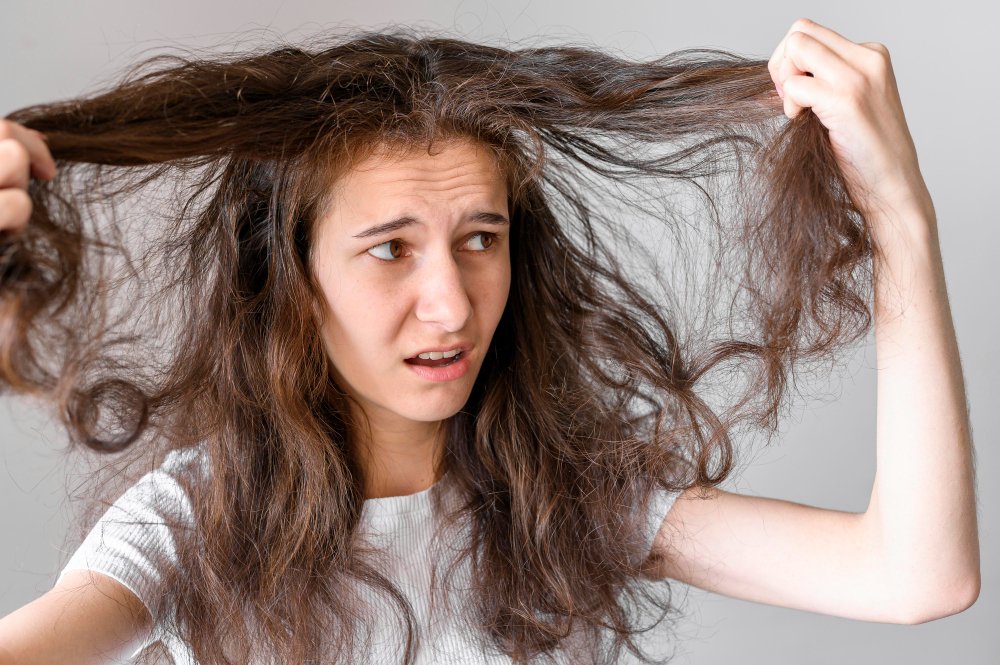
Curly hair is naturally more prone to frizz because natural oils can’t easily travel down spiral-shaped strands.
The key is moisture. Use the “praying hands” method to apply products: press them between your palms and smooth over your hair.
Never brush curly hair when dry unless you want maximum frizz. If you need to detangle, do it while hair is wet and coated with conditioner using a wide-tooth comb.
Consider co-washing between regular shampoos to maintain moisture without stripping natural oils.
Adapting Your Routine to Different Conditions
Your frizz-fighting strategy may need to change based on weather.
In Humid Weather
Use anti-frizz serums and lightweight styling products that specifically block humidity. Consider hairstyles that work with moisture rather than fighting it.
In Cold, Dry Climates
Switch to richer, more moisturizing conditioners and protective treatments. Your hair needs extra hydration to combat drying effects of cold weather.
Final Thoughts
Frizzy hair doesn’t have to be your daily struggle.
By understanding what causes your specific type of frizz and implementing the right combination of products, techniques, and haircuts, you can achieve smooth, manageable hair.
The key to conquering frizz lies in maintaining proper moisture balance, protecting your hair from damage, and working with your natural texture.
Start with small changes. Maybe it’s switching to a microfiber towel or trying a new leave-in conditioner. Over time, these adjustments compound into noticeably healthier, less frizzy hair.
With good products for frizzy hair, the right styling techniques, and consistent care, those frizz-free locks you’ve been dreaming about can become your everyday reality.
1. What causes frizzy hair?
Frizzy hair is primarily caused by lack of moisture. When your hair is dry, it seeks moisture from the environment, causing the cuticle to lift and create frizz. Other factors include humidity, heat styling damage, friction from towels or pillowcases, chemical treatments, and genetics.
2. How can I stop my hair from being frizzy?
To stop frizzy hair, wash less frequently (2-3 times per week), use sulfate-free shampoo, apply products to soaking wet hair, and switch to a microfiber towel or t-shirt for drying. Sleep on silk or satin pillowcases, avoid heat styling when possible, and use leave-in conditioners to lock in moisture.
3. What are the best products for frizzy hair?
The best products for frizzy hair include hydrating sulfate-free shampoos, moisturizing conditioners with argan or coconut oil, leave-in treatments, anti-frizz serums, and deep conditioning masks. Look for ingredients like keratin, glycerin, and natural oils that restore moisture and smooth the hair cuticle.
4. Can frizzy hair be permanently fixed?
While frizzy hair can’t be permanently “cured,” professional keratin treatments can reduce frizz for several months. Long-term management involves consistent moisture maintenance, protective styling, regular trims, and avoiding damaging practices like excessive heat styling and harsh chemical treatments.
5. What haircut is best for frizzy hair?
The best haircuts for frizzy hair include layered cuts that remove bulk, classic bobs that provide weight to control frizz, and shoulder-length styles. For men with frizzy hair, shorter cuts like fades and textured crops work well. Avoid blunt, one-length cuts that can create a triangle shape.
