

Say Goodbye to Dark Circles Under Your Eyes (Naturally & Effectively)
Look, we’ve all been there. You wake up, look in the mirror, and boom—there they are. Those stubborn dark circles under your eyes making you look like you just pulled three all-nighters in a row, even though you slept a solid eight hours.
Dark circles are frustrating, no doubt about it. They make you look tired, older, and sometimes even sick when you’re feeling perfectly fine. And if you’re someone who’s tried everything from expensive eye creams to those weird cucumber slice tricks your mom told you about, you know how challenging it can be to actually get rid of them.
But here’s the good news: dark circles aren’t permanent, and there are proven ways to reduce them significantly or even eliminate them completely. Whether you’re dealing with mild shadowing or full-on raccoon eyes, this guide will walk you through everything you need to know about dark circles—what they are, why they happen, and most importantly, how to get rid of dark circles under eyes for good.
What Are Dark Circles?
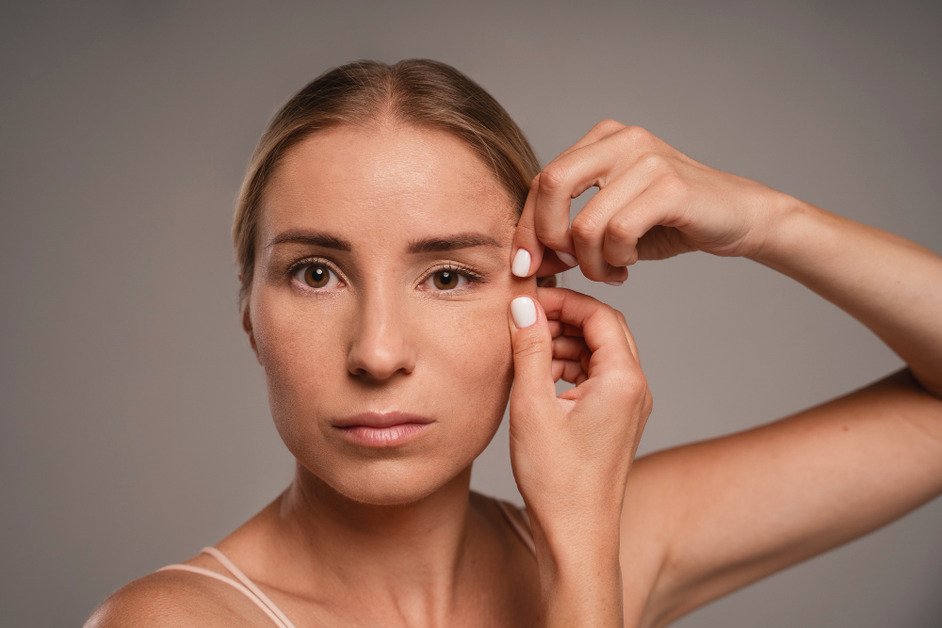
Let’s start with the basics. Dark circles are exactly what they sound like—darkened areas of skin around your eyes, particularly under your lower eyelids. They can range from light purple or blue tones to brown or even black shades, depending on your skin tone and what’s causing them.
The skin around your eyes is incredibly thin and delicate. In fact, it’s about 40% thinner than the skin on the rest of your face. This means that blood vessels and underlying structures are more visible in this area, which contributes to that darkened appearance.
Dark circles aren’t just one thing, though. They can be caused by several different factors, and understanding what’s behind yours is the first step in figuring out how to get rid of dark circles permanently.
Some people develop them temporarily due to lack of sleep or allergies. Others have them chronically because of genetics, aging, or lifestyle factors. The shadows can be superficial (related to skin pigmentation) or structural (caused by hollowing or puffiness that creates shadows).
Think of dark circles as a symptom rather than a condition itself. They’re your skin’s way of telling you something—whether that’s “you need more sleep,” “you have allergies,” or simply “welcome to your 30s, buddy.”
Why Do Dark Circles Show Up on Your Eyes?

Understanding why dark circles appear is crucial if you want to know how to get rid of dark eye circles effectively. Let’s break down the most common culprits:
Genetics and Skin Tone
Sometimes, you can thank your parents for those dark circles. If your family members have them, there’s a good chance you’ll develop them too. People with darker skin tones are also more prone to hyperpigmentation around the eyes due to excess melanin production.
Lack of Sleep
This is the obvious one, right? When you don’t get enough sleep, your skin becomes paler, which makes the blood vessels beneath your eyes more visible. Plus, lack of sleep causes fluid to build up under your eyes, making them look puffy and creating shadows that appear as dark circles.
Aging
As you get older, your skin loses collagen and becomes thinner. This makes the reddish-blue blood vessels under your eyes more obvious. Additionally, the fat and tissue that normally provide volume around your eyes begin to diminish, causing hollowing that creates shadows.
Dehydration
When your body isn’t getting enough water, the skin under your eyes begins to look dull and sunken. This is because your eyes are close to the underlying bone, and dehydration makes the area appear more hollow.
Sun Exposure
Too much sun can cause your body to produce excess melanin, which can darken the skin around your eyes. UV damage also breaks down collagen, making the skin thinner and more translucent.
Allergies and Nasal Congestion
Allergies trigger the release of histamines, which cause blood vessels to dilate and become more visible beneath the skin. Rubbing your itchy eyes also causes inflammation and can break tiny blood vessels, leading to darker discoloration.
Screen Time and Eye Strain
Staring at screens for hours causes your eyes to strain, which can enlarge the blood vessels around your eyes and lead to dark circles. If you work from home or game regularly, this might be your main issue.
Lifestyle Factors
Smoking, excessive alcohol consumption, and high sodium intake can all contribute to dark circles. These habits affect circulation, cause fluid retention, and damage the delicate skin around your eyes.
Medical Conditions
In some cases, dark circles can be related to medical issues like thyroid problems, anemia, or vitamin deficiencies. If your dark circles appeared suddenly or are accompanied by other symptoms, it’s worth checking with a doctor.
Side Effects and Impact of Dark Circles
Now, let’s be real—dark circles aren’t going to kill you. They’re not a serious medical condition in most cases. But that doesn’t mean they don’t have an impact on your life.
Appearance and Self-Confidence
The most obvious effect is how they make you look. Dark circles can make you appear exhausted, older, unhealthy, or even unapproachable. When you’re trying to make a good impression—whether at work, on a date, or just in your daily life—looking perpetually tired isn’t ideal.
Many guys report feeling self-conscious about their dark circles. You might avoid photos, feel uncomfortable during video calls, or constantly hear people ask if you’re feeling okay. Over time, this can chip away at your confidence.
Professional Impact
In professional settings, appearance matters. Whether we like it or not, people make snap judgments based on how we look. Dark circles can make you seem less alert, less capable, or less put-together than you actually are.
If you’re in a client-facing role, working in a competitive industry, or trying to climb the career ladder, addressing your dark circles can be part of presenting your best self.
Psychological Effects
Constantly worrying about how you look or feeling frustrated that nothing seems to work can be mentally exhausting. Some people develop anxiety around their appearance or avoid social situations because of their dark circles.
Sign of Underlying Issues
Sometimes, dark circles are your body’s way of signaling that something else is going on. Chronic dark circles might indicate that you’re not getting quality sleep, you’re dealing with allergies, or you have nutritional deficiencies that need addressing.
The good news? Once you learn how to get rid of dark circles from under eyes, many of these impacts disappear along with the circles themselves.
How to Get Rid of Dark Circles (Proven Methods)

Alright, this is what you came here for—the actual solutions. How do you get rid of those stubborn dark circles? The answer depends on what’s causing yours, but here are the most effective approaches:
Prioritize Quality Sleep
This might sound obvious, but it’s the foundation. Aim for 7-9 hours of quality sleep per night. Here’s the catch though—it’s not just about quantity, it’s about quality.
Create a sleep-friendly environment: keep your room cool, dark, and quiet. Avoid screens for at least an hour before bed. Try elevating your head with an extra pillow to prevent fluid from pooling under your eyes overnight.
Establish a consistent sleep schedule, even on weekends. Your body loves routine, and regular sleep patterns can significantly reduce the appearance of dark circles over time.
Stay Hydrated
Drink more water. Seriously. Aim for at least 8 glasses a day, more if you’re active or live in a hot climate.
When you’re properly hydrated, your skin looks plumper and healthier, which naturally reduces the appearance of dark circles. Keep a water bottle with you throughout the day as a reminder.
Use Cold Compresses
Cold constricts blood vessels and reduces inflammation, which can minimize dark circles and puffiness. Try these methods:
Place cold spoons on your eyes for 10-15 minutes in the morning. Keep two spoons in your fridge overnight, and swap them out when they warm up.
Use cold tea bags (especially green or black tea, which contain caffeine and antioxidants). Steep them in hot water, let them cool in the fridge, then place them on your closed eyes for 10 minutes.
A cold, damp washcloth works too. The key is consistent temperature—cold enough to constrict vessels but not so cold it’s uncomfortable.
Invest in a Good Eye Cream
Look for eye creams with these proven ingredients:
Vitamin C brightens skin and reduces pigmentation. Retinol increases collagen production and skin cell turnover. Caffeine constricts blood vessels and reduces puffiness. Hyaluronic acid hydrates and plumps the skin. Niacinamide reduces inflammation and improves skin barrier function.
Apply eye cream gently using your ring finger (it applies the least pressure). Pat it on rather than rubbing, and use it consistently—once or twice daily.
Protect Your Skin from the Sun
Wear sunscreen every single day, even when it’s cloudy. The skin around your eyes is especially vulnerable to UV damage.
Use a broad-spectrum SPF 30 or higher, and don’t forget to apply it to the under-eye area. Wear sunglasses when you’re outside—not just for style, but to protect the delicate skin around your eyes from sun damage.
Address Allergies
If allergies are your issue, managing them is crucial. Talk to your doctor about antihistamines or allergy testing to identify your triggers.
Avoid rubbing your eyes when they itch—this makes dark circles worse. Use a cold compress instead, and consider using an air purifier in your bedroom to reduce allergen exposure while you sleep.
Improve Your Diet
What you eat directly affects your skin. Focus on:
Foods rich in Vitamin K (leafy greens, broccoli) which improves circulation. Iron-rich foods (lean meat, spinach, lentils) to prevent anemia-related dark circles. Vitamin C sources (citrus, berries, peppers) for collagen production. Omega-3 fatty acids (salmon, walnuts, flaxseeds) for skin health.
Reduce sodium intake, which causes fluid retention and makes dark circles worse. Cut back on processed foods and add more whole foods to your diet.
Reduce Screen Time and Eye Strain
Follow the 20-20-20 rule: every 20 minutes, look at something 20 feet away for 20 seconds. This reduces eye strain significantly.
Adjust your screen brightness to match your environment, use blue light filters in the evening, and make sure your workspace is properly lit to reduce strain on your eyes.
Try Natural Remedies
Some natural treatments can help with how to get rid of dark circles under eyes:
Almond oil is rich in Vitamin E and can lighten dark circles with consistent use. Apply a small amount before bed and gently massage it in.
Rose water has anti-inflammatory properties. Soak cotton pads in cold rose water and place them on your eyes for 15 minutes.
Tomato paste contains lycopene, which can reduce dark pigmentation. Mix one teaspoon of tomato juice with a teaspoon of lemon juice, apply to the under-eye area for 10 minutes, then rinse.
Consider Professional Treatments
If home remedies aren’t cutting it and you want faster results, professional treatments can help:
Chemical peels can reduce pigmentation and improve skin texture. Laser therapy targets pigmentation and stimulates collagen production. Dermal fillers can address hollowing that creates shadows (this is especially effective if your dark circles are caused by volume loss). Microneedling stimulates collagen and can improve skin thickness.
These treatments should be performed by qualified professionals. Do your research, read reviews, and don’t be afraid to ask questions during consultations.
Manage Stress
Chronic stress affects your sleep quality, hormone levels, and overall skin health. Find healthy ways to manage stress—whether that’s exercise, meditation, hobbies, or talking to someone.
When you’re less stressed, you sleep better, and your skin shows it. Plus, you’re less likely to engage in habits that worsen dark circles, like poor sleep or unhealthy eating.
Quit Smoking and Limit Alcohol
Both smoking and excessive alcohol consumption damage your skin and impair circulation. Smoking breaks down collagen and elastin, making the skin around your eyes thinner and more prone to dark circles.
Alcohol dehydrates you and causes blood vessels to dilate, making dark circles more prominent. If you’re serious about getting rid of dark circles permanently, addressing these habits is essential.
Bringing It All Together
Dark circles might feel like a curse, but they’re actually something you can control with the right approach. The key is consistency and patience—most of these methods take time to show results, usually several weeks of regular use.
Start with the basics: get better sleep, drink more water, and protect your skin from the sun. These foundational habits will benefit not just your dark circles but your overall health and appearance.
From there, add targeted treatments like cold compresses, eye creams, and dietary improvements. If you’ve been consistent with lifestyle changes for a few months and still aren’t seeing results, that’s when you might want to explore professional treatments.
Remember, the journey of how to get rid of dark circles under eyes isn’t always quick, but it’s definitely possible. Your specific solution depends on what’s causing your dark circles, so pay attention to your body and what works for you.
You don’t have to live with tired-looking eyes. With the right combination of lifestyle changes, targeted treatments, and a bit of patience, you can significantly reduce or even eliminate those dark circles for good. Your mirror reflection—and your confidence—will thank you for it.
