
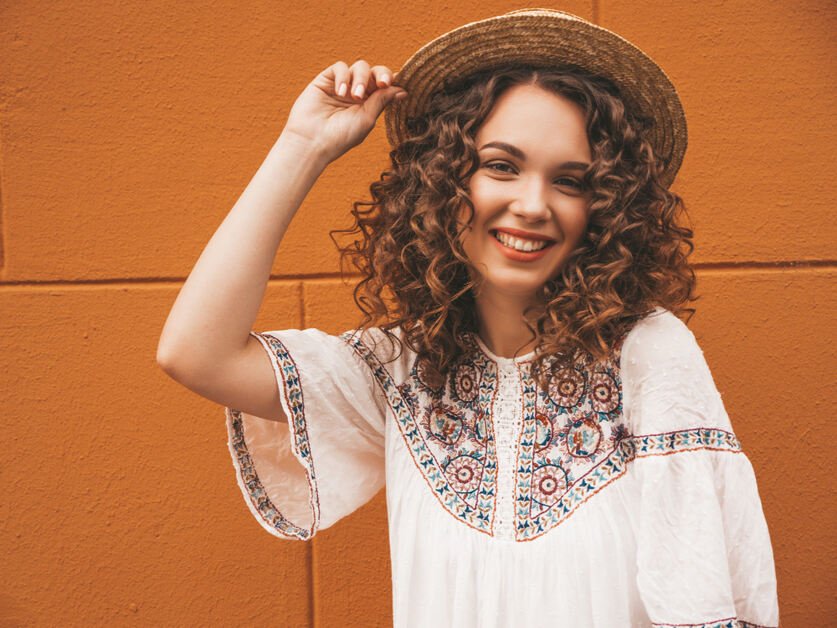
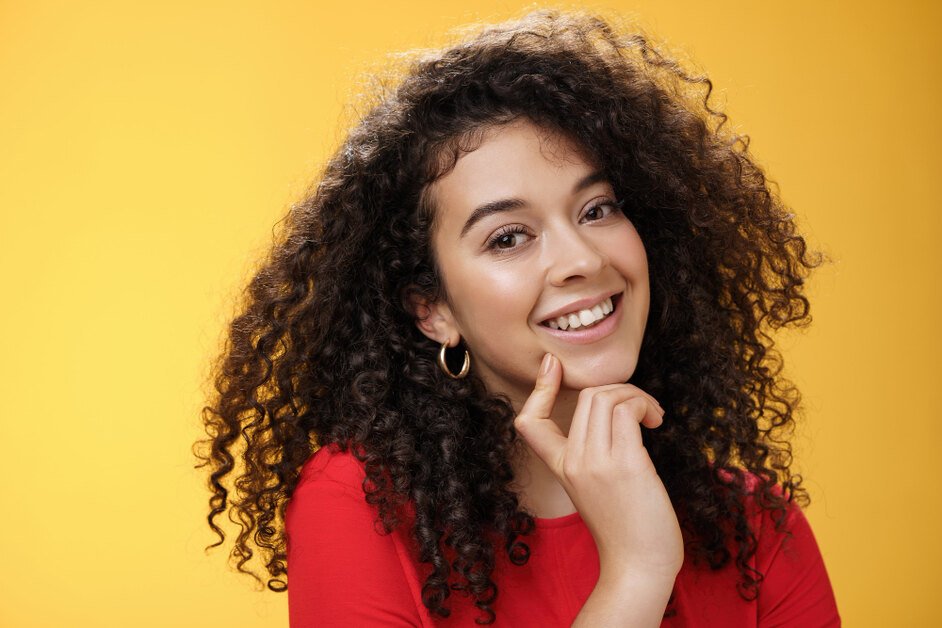
Creating perfect curls isn’t just a styling choice it’s a confidence boost.
Whether you’re trying to get defined curls, beach waves, or a more textured look for volume, the right techniques and tools can completely transform your hair.
A hair curler is one of the most versatile grooming tools you can own, especially if you want fast, clean, long-lasting curls without going to a salon.
But with so many tools, creams, and curling methods, it gets confusing.
This guide breaks everything down in a simple, practical, human way so you can get great curls without damage, stress, or guesswork.
What Are Hair Curlers?
A hair curler is a tool designed to shape straight or wavy hair into curls.
They work using heat or manual techniques to bend the hair around a surface, holding the shape long enough for curls to form.
There are different types of hair curlers, each giving unique curl patterns and textures.
The most common ones include:
- Curling Wands: No clip, great for loose waves and natural curls.
- Curling Irons: Have a clamp for polished, defined curls.
- Automatic Curlers: They curl your hair for you—perfect for beginners.
- Flexi Rods: Heatless curlers for soft curls.
- Foam Rollers: Gentle, overnight curlers.
- Straighteners/Flat Irons: Not curlers originally, but can create curls with the right technique.
Each type gives different results depending on your hair type, length, and the style you want to achieve.
How to Curl Hair and How Curlers Work
Curling your hair becomes easy once you understand how heat, motion, and direction affect the final curl.
Here’s how to do it:
Start With Clean, Dry Hair
Never curl wet hair. Dry hair responds better to heat and reduces breakage.
Use a Heat Protectant
It forms a protective layer that reduces damage and dryness.
Section the Hair
Smaller sections = tight curls.
Bigger sections = loose curls.
Wrap the Hair Correctly
Wrap hair in the direction you want the curl to flow.
Away from your face = modern, open curls.
Toward your face = soft, vintage curls.
Hold and Release
Hold for 5–10 seconds, depending on your hair’s thickness.
Catch the curl in your hand to help it set.
Let the Curls Cool
Avoid touching or brushing immediately. Curls set only when completely cooled.
Finish With a Light Product
Use a curl cream or soft-hold spray to keep curls bouncy without stiffness.
Disadvantages of Curl Hair Cream
Curl creams are useful for defining curls, especially for wavy hair, but they also have drawbacks.
Product Buildup
Daily use can cause residue on the scalp and hair shafts, making hair dull or itchy.
Greasy or Heavy Look
Many curl creams contain oils that may weigh down fine or thin hair.
Reduced Volume
Curl creams focus on definition, not volume—roots may look flat.
Hard to Wash Out
Thick formulas with oils and butters can leave stubborn residue.
May Cause Breakouts
If they touch your neck or forehead, they may clog pores.
To avoid issues:
Use small amounts, choose water-based options, and cleanse regularly.
How to Curl Hair With a Straightener
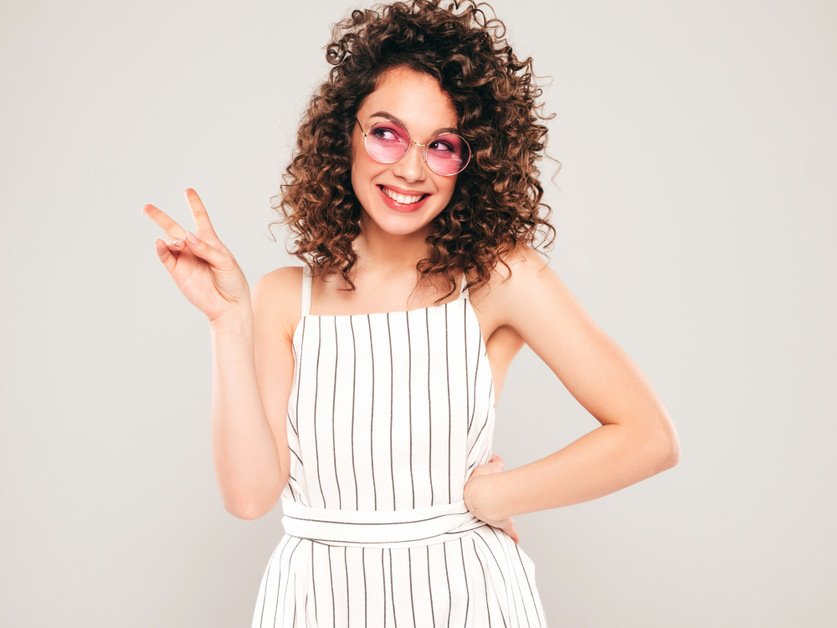
Curling with a straightener is one of the easiest ways to get long-lasting curls.
Here’s the simplest method:
Step 1: Prep Your Hair
Blow-dry your hair completely.
Apply heat protectant.
Remove tangles with a comb.
Step 2: Section Your Hair
Divide your hair into layers and start with the bottom ones.
Step 3: Position the Straightener
Take a small section, clamp near the roots, and rotate the straightener 180°–360°.
Slow motion = tight curls
Fast motion = loose waves
Step 4: Glide Down Slowly
Keep the straightener moving smoothly to avoid unwanted bends.
Step 5: Cool and Set
Let curls cool completely.
Finish with curl cream for wavy hair or a light setting spray.
This method works for almost all hair types and creates a soft, natural curl pattern.
Natural Remedies to Curl Hair
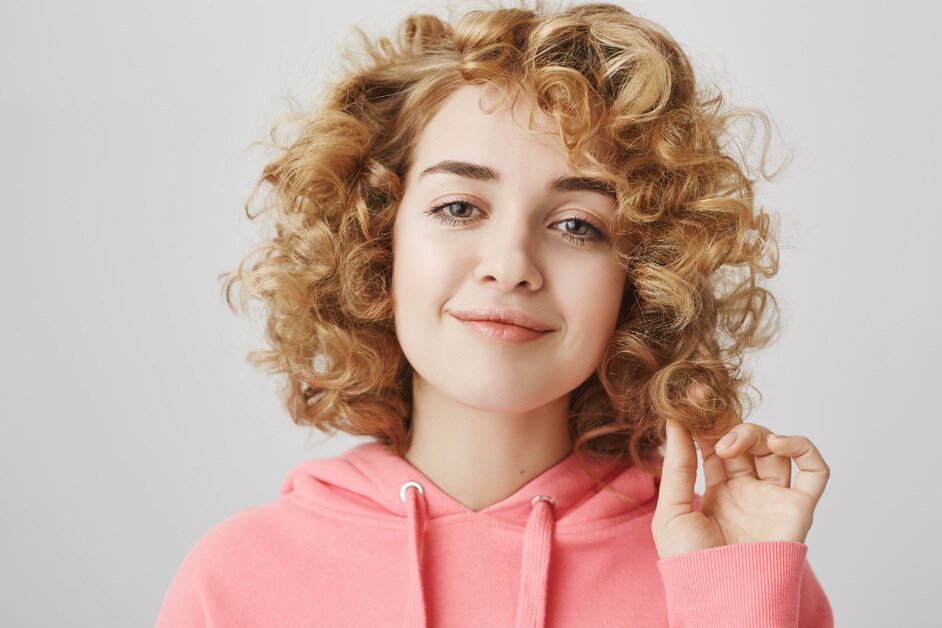
If you prefer natural, heat-free curl methods, these techniques help create curls safely:
Aloe Vera Gel
Apply to damp hair and scrunch for soft curls.
Sea Salt Spray (Homemade)
Mix warm water, sea salt, and a bit of conditioner.
Spray on damp hair, twist sections, and air-dry.
Braiding Method
French curl braiding hair works great.
Braid damp hair and leave overnight for heatless curls.
Bantu Knots
Twist small sections into knots and leave overnight for tight curls.
Flexi Rods or Foam Rollers
Perfect for structured curls without heat.
Coconut Milk + Honey Mask
Softens hair and encourages light waves.
Twist & Scrunch Technique
Apply curl cream or gel, twist small sections, scrunch upward, and air-dry.
Natural curls take patience but are much safer for long-term hair health.
Conclusion
Using a hair curler properly can completely transform your hairstyle and boost confidence.
Whether you choose heat styling, natural curl methods, or curl-with-straightener techniques, the key to perfect curls is consistent care and the right approach.
Prep your hair well, use protective products, learn your preferred curl style, and practice the techniques that suit your hair type.
With this complete guide, you’re ready to create smooth, defined, long-lasting curls anytime.
