
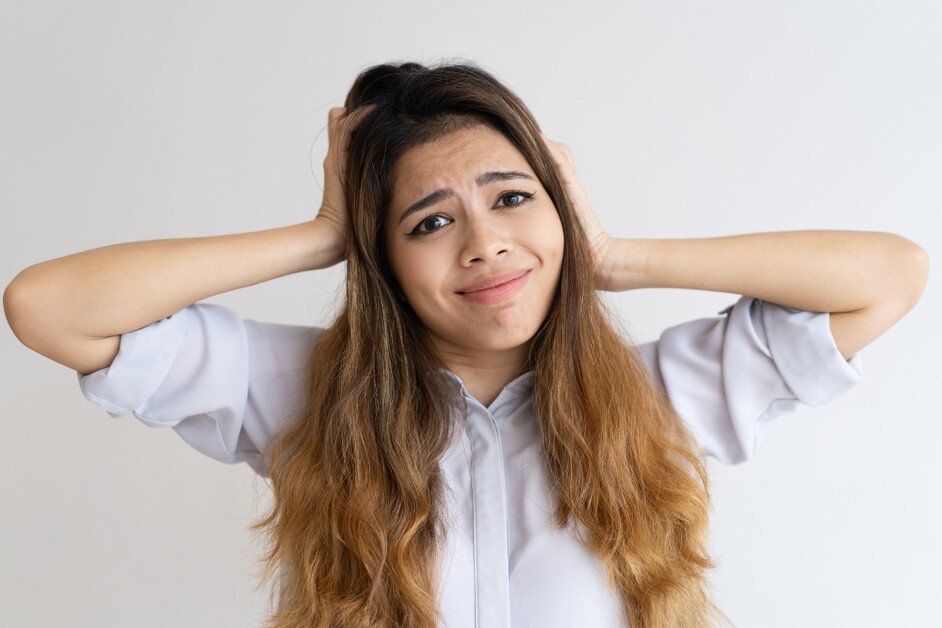

Let’s be real for a second. There’s nothing worse than being stuck in a meeting or on a date when your scalp starts going crazy. That tingly, crawling sensation that just won’t quit. And the more you try to ignore it, the worse it gets.
I get it. An itchy scalp is genuinely maddening.
But here’s the thing most people don’t realize. That constant itch isn’t just uncomfortable. If you keep ignoring it or scratching away, you might actually end up dealing with hair loss down the road. Nobody wants that.
The silver lining? Most of the time, you can sort this out yourself without spending a fortune or running to a doctor. You just need to figure out what’s going on up there first.
So let’s dig into why your scalp is driving you nuts and what you can actually do about it.
So What Exactly Is an Itchy Scalp Anyway?
Doctors have a fancy name for it. They call it scalp pruritus. But honestly, you don’t need medical terminology. You already know what it feels like.
Your scalp is kind of a unique beast compared to the rest of your skin. It’s packed with hair follicles, produces way more oil, and has tons of bacteria and fungi living on it. Sounds gross, but it’s totally normal.
The problem is all this activity makes your scalp pretty sensitive. When something throws off the balance up there, itching is usually the first sign that something’s not right.
Some guys deal with a mild itch here and there. Others have it so bad they can’t sleep at night. You might see flakes or redness, or your scalp might look completely normal despite the itch.
Either way, once you figure out what’s triggering it, you’re halfway to fixing it.
What’s Actually Making Your Scalp Itch?

Alright, let’s talk about the usual suspects. One of these is probably your culprit.
Good Old Dandruff
This is the most common reason people end up with an itchy scalp. Your scalp naturally sheds dead skin, but sometimes it goes into overdrive and starts shedding way too fast.
You’ll know it’s dandruff if you’re seeing those white or yellowish flakes on your shoulders and in your hair. There’s usually a fungus involved called Malassezia that feeds on scalp oils and makes everything worse.
The upside is dandruff is pretty easy to treat with the right shampoo.
Seborrheic Dermatitis
Think of this as dandruff that got really angry. It’s basically the same thing but more intense. You’ll see red, scaly patches and the itching can be pretty brutal.
It doesn’t always stay on your scalp either. Some guys get it in their eyebrows, beard, or even on their chest.
Stress and weather changes tend to make it flare up, which is super annoying.
Your Scalp Is Just Dry
Sometimes it’s as simple as dry skin. Just like your hands or face can get dry and itchy, so can your scalp.
This happens a lot in winter when cold air outside and heating inside basically suck all the moisture out of everything. Harsh shampoos can do the same thing.
If your flakes are small and dry looking without much redness or greasiness, dry scalp is probably your issue.
That New Product You Started Using
Here’s something people overlook all the time. That new shampoo, conditioner, or styling product might be the problem.
Your scalp can develop allergic reactions to all sorts of ingredients. Fragrances are a big one. So are preservatives and certain chemicals in hair dyes.
Also, if you’re not rinsing your shampoo out properly, that leftover residue can irritate your scalp like crazy.
Scalp Psoriasis
About half the people who have psoriasis get it on their scalp at some point. It looks different from dandruff. You’ll see thick, silvery scales and red patches that can be super itchy.
Sometimes it creeps past your hairline onto your forehead, which is a telltale sign.
This one usually needs a dermatologist to sort out properly.
Head Lice
Yeah, I know. Nobody wants to hear this one. But it happens, and it has absolutely nothing to do with being dirty. Anyone can pick them up.
If your head is itchy and you’ve been around kids or in crowded places, it’s worth checking. Look for tiny eggs attached to your hair shafts near the scalp.
Fungal Infections
Ringworm can show up on your scalp even though it’s got nothing to do with actual worms. It’s a fungal infection that causes red, super itchy patches and can lead to hair loss in those spots.
This one definitely needs prescription medication to clear up.
Why You Shouldn’t Just Ignore It
Look, I know it’s tempting to just deal with the itch and hope it goes away. But ignoring it can actually cause some real problems.
It Can Lead to Hair Loss
Here’s the thing about scratching. Every time you dig at your scalp, you’re damaging your hair follicles a little bit. Do this enough times and you can actually cause hair loss.
The inflammation from all that scratching messes with your hair growth cycle. If you’re already noticing more hair in the drain than usual along with the itching, take it seriously.
You Could Get an Infection
Your fingernails aren’t exactly clean. When you scratch and create tiny cuts in your scalp, bacteria can get in there and cause infections.
If things start looking more red, swollen, or warm, or you see any pus, that’s a sign you’ve got an infection brewing.
Your Sleep Takes a Hit
For some reason, itchy scalps tend to act up more at night. And when you can’t sleep because your head won’t stop itching, everything else in your life suffers.
Your mood, your focus, your energy. It all goes downhill when you’re not sleeping well.
It Messes With Your Confidence
Let’s just be honest here. Scratching your head constantly in public isn’t a great look. And if you’ve got visible flakes on your collar, that doesn’t help either.
An itchy scalp can genuinely make you feel self-conscious, and that’s a totally valid reason to want to fix it.
Natural Ways to Fix Your Itchy Scalp at Home

Before you go spending money on expensive treatments, try some of these home remedies for itchy scalp. They work surprisingly well for a lot of people.
Tea Tree Oil
This stuff is like nature’s antifungal and antibacterial agent. It’s been used for ages to calm down scalp irritation.
Just add a few drops to your regular shampoo, or mix it with some coconut oil as a carrier. Massage it into your scalp, let it sit for about fifteen minutes, and rinse it out.
Start small though. Tea tree oil is potent and some people are sensitive to it.
Coconut Oil
You probably already have this in your kitchen. Coconut oil is amazing for dry, itchy scalps because it actually penetrates deep and moisturizes from within.
Warm up a tablespoon of it, massage it all over your scalp, and leave it in overnight if you can. Your scalp will feel so much better in the morning.
Apple Cider Vinegar Rinse
This one helps balance your scalp’s pH and gets rid of all that product buildup that might be causing your itch.
Important though. Never put apple cider vinegar on your scalp straight. Mix one part vinegar with two parts water, use it as a rinse after shampooing, then wash it out with cool water.
Aloe Vera
You know how aloe feels on a sunburn? It does the same thing for an itchy scalp. That cooling, soothing relief is instant.
Grab some pure aloe vera gel, apply it directly to your scalp, wait about twenty minutes, and rinse. It moisturizes without making your hair greasy.
Peppermint Oil
The menthol in peppermint oil creates this cooling sensation that feels incredible on an itchy scalp. Studies have actually shown it helps reduce itching.
Mix a few drops with water or olive oil before putting it on your scalp. Don’t use it straight or it’ll be too intense.
Finding the Right Shampoo
When it comes to the best shampoo for dry itchy scalp, you want to look for specific ingredients that actually target the problem.
Zinc pyrithione is great for fighting the fungus behind dandruff. Ketoconazole is a more powerful antifungal if zinc isn’t cutting it. Salicylic acid helps remove all that dead skin buildup. Coal tar slows down how fast your skin cells are turning over. Selenium sulfide controls flaking and calms down the itch.
Some people really like Aveeno itchy scalp shampoo with rosewater because it combines soothing ingredients with active ones, so it’s gentler on your scalp while still working.
Use these medicated shampoos a few times a week at first, then cut back once things improve.
Don’t Underestimate Stress
Here’s something that might surprise you. Stress can actually trigger scalp problems or make existing ones worse.
When you’re stressed out, your body produces inflammation. And that inflammation can show up on your scalp.
Finding ways to manage stress through exercise, meditation, or whatever works for you can genuinely help your scalp situation.
When It’s Time to See a Doctor
Home remedies are great, but sometimes you need professional help.
If you’ve been trying things for three or four weeks and nothing’s working, it’s time to see a dermatologist. Same goes if the itching is so bad you can’t sleep, or if you notice any signs of infection like extra redness, swelling, or pus.
Losing a lot of hair? Don’t wait. Get that checked out.
A dermatologist can figure out exactly what’s going on and give you prescription-strength treatments if you need them.
Keeping Your Scalp Happy Long Term
Once you’ve gotten the itch under control, here’s how to keep it that way.
Don’t over-wash your hair. Washing too much strips away the natural oils your scalp needs. But don’t under-wash either or you’ll get buildup. Find your balance.
Go easy on the products, especially if you’ve got sensitive skin. Fragrance-free is usually safer.
Always rinse thoroughly. Leftover shampoo and conditioner hanging out on your scalp is asking for trouble.
Drink enough water and eat well. Your scalp is skin, and skin needs hydration and nutrients.
If you live somewhere with dry winters, a humidifier can make a real difference.
Wrapping Things Up
An itchy scalp is annoying as hell, but it doesn’t have to be your reality forever.
Start with the simple stuff. Try some home remedies, pick up a decent medicated shampoo, and give it a few weeks to work. Most people see real improvement without needing anything more.
Just don’t ignore it or keep scratching like crazy. That’s how you end up with bigger problems like infections or hair loss.
And if nothing’s helping after a month or so, go see a dermatologist. There’s no shame in getting professional help for something that’s affecting your daily life.
Your scalp is the foundation for healthy hair. Treat it right and you’ll look and feel a whole lot better.
FAQ,s
1. Why is my scalp itching even though I wash my hair regularly?
Regular washing doesn’t always prevent itching. Issues like dandruff, dry skin, product buildup, allergies, or fungal overgrowth can still irritate your scalp. Sometimes overwashing can make the itch worse by drying out your skin.
2. Can an itchy scalp really cause hair loss?
Yes. Constant scratching creates inflammation and damages the hair follicles. Over time, this can weaken your hair roots and lead to noticeable thinning or shedding.
3. What’s the fastest way to stop an itchy scalp at home?
Tea tree oil, aloe vera, coconut oil, and diluted apple cider vinegar are some of the quickest natural fixes. They soothe inflammation, fight fungus, and reduce irritation.
4. When should I worry about my itchy scalp?
If the itch lasts more than 3–4 weeks, interrupts your sleep, causes redness or swelling, produces pus, or leads to hair loss, it’s time to see a dermatologist.
5. Which shampoo works best for itchy or flaky scalps?
Look for shampoos containing ingredients like zinc pyrithione, ketoconazole, salicylic acid, selenium sulfide, or coal tar. These target dandruff, fungus, and inflammation effectively.
