

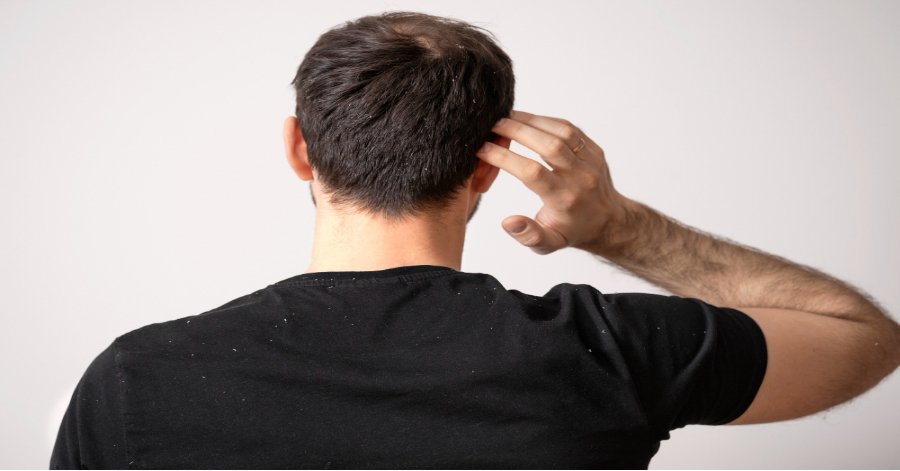
You’re wearing your favorite black shirt, feeling confident, until you notice those telltale white flakes on your shoulders. Sound familiar?
Dandruff affects nearly half of the adult population worldwide, making it one of the most common scalp conditions people face. The constant itching, embarrassing flakes, and stubborn nature of dandruff can feel overwhelming.
But here’s the good news: dandruff is manageable, treatable, and preventable with the right approach.
Whether you’re dealing with mild flaking or severe scalp buildup, this guide will walk you through everything you need to know. From understanding what causes those flakes to discovering proven remedies and long-term prevention strategies, you’ll have all the tools to reclaim your confidence and achieve a healthy, flake-free scalp.
Let’s dive into practical solutions that actually work.
What Causes Dandruff and Why It Keeps Coming Back

Understanding why dandruff appears is the first step to eliminating it permanently. Many people treat the symptoms without addressing the root cause, which is why their dandruff keeps returning.
The Real Culprit: Malassezia
Dandruff isn’t just dry skin. The primary cause is a yeast-like fungus called Malassezia that naturally lives on everyone’s scalp. When this fungus overgrows, it feeds on the oils your scalp produces, breaking them down into oleic acid.
About 50% of people are sensitive to oleic acid. When your scalp reacts to it, skin cells multiply faster than normal and clump together as they shed, creating those visible white or yellowish flakes.
What Does Dandruff Look Like?
Dandruff appears as small to medium white or yellow flakes on your scalp, hair, and shoulders. Unlike dry scalp, which produces smaller, drier flakes, dandruff flakes are often oily and larger.
You might also notice scalp redness, itchiness, and a greasy or dry feeling depending on your skin type.
Common Triggers That Make Dandruff Worse
Several factors can trigger or worsen dandruff outbreaks:
Infrequent shampooing allows oil and dead skin cells to accumulate, creating the perfect environment for Malassezia to thrive. This scalp buildup becomes a breeding ground for flakes.
Stress doesn’t directly cause dandruff, but it weakens your immune system, making you more susceptible to fungal overgrowth.
Cold, dry weather strips moisture from your skin, while indoor heating further dehydrates your scalp. This combination can trigger both dandruff and dry scalp conditions simultaneously.
Certain hair products containing harsh chemicals or allergens can irritate your scalp, causing a condition called contact dermatitis that mimics dandruff.
Dandruff on Bald Head
Yes, you can still get dandruff even without hair. Dandruff on a bald head is actually quite common because the Malassezia fungus feeds on scalp oils, not hair. Bald individuals may notice more visible flaking since there’s no hair to hide the flakes.
Why Your Dandruff Keeps Coming Back
If you’ve treated dandruff successfully only to see it return weeks later, you’re not alone. Dandruff is a chronic condition that requires ongoing management.
The Malassezia fungus never completely disappears from your scalp. When conditions become favorable again, overgrowth happens, excessive washing strips natural oils, prompting your scalp to overproduce sebum, or you stop using medicated products too soon.
The key is understanding that dandruff management is a marathon, not a sprint.
Best Natural Home Remedies to Remove Dandruff Fast
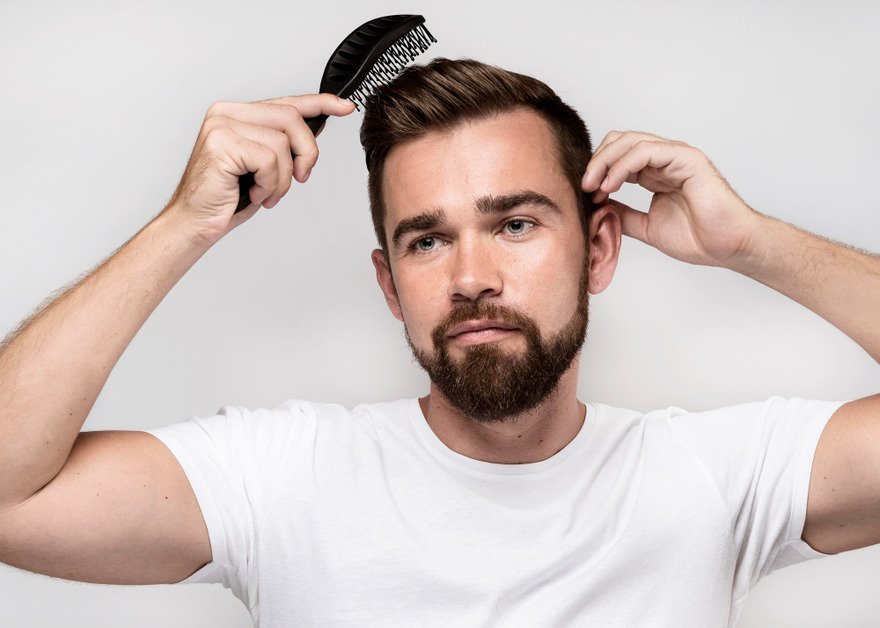
Before reaching for medicated treatments, many effective natural remedies can help control dandruff. These options work best for mild to moderate cases and can be combined with other treatments.
Tea Tree Oil: Nature’s Antifungal Powerhouse
Tea tree oil has powerful antifungal and antibacterial properties that directly combat Malassezia. Studies show that shampoos containing 5% tea tree oil can significantly reduce dandruff severity.
Mix 3-4 drops of tea tree oil with a tablespoon of carrier oil like coconut or jojoba oil. Massage it into your scalp, leave for 15-20 minutes, then shampoo normally.
Many mainstream products now incorporate tea tree oil. Head and Shoulders tea tree oil shampoo combines traditional dandruff-fighting ingredients with tea tree’s natural benefits, offering a convenient ready-to-use option.
Coconut Oil: Moisturize and Fight Fungus
Coconut oil isn’t just a moisturizer. It has antifungal properties that help eliminate the fungus while nourishing your dry, flaky scalp.
Warm 2-3 tablespoons of virgin coconut oil and massage it thoroughly into your scalp. Leave it on for at least an hour or overnight for best results, then wash with a gentle shampoo.
Do this 2-3 times per week for noticeable improvement within a few weeks.
Apple Cider Vinegar: Balance Your Scalp’s pH
Apple cider vinegar helps balance your scalp’s pH levels, creating an environment where fungus struggles to survive. Its acidity also helps loosen flakes and reduce itching.
Mix equal parts apple cider vinegar and water. After shampooing, pour the mixture over your scalp, massage gently, and let it sit for 5-10 minutes before rinsing thoroughly.
Use this treatment once or twice weekly. Always dilute it to avoid irritation.
Aloe Vera: Soothe and Heal
Aloe vera’s anti-inflammatory and antifungal properties make it excellent for calming irritated, itchy scalps while fighting the underlying fungal infection.
Apply fresh aloe vera gel directly to your scalp before shampooing. Leave it on for 30 minutes, then wash your hair as usual.
The cooling sensation provides immediate relief from itching while the active compounds work on reducing flakes.
Baking Soda: Gentle Exfoliation
Baking soda acts as a mild exfoliant that removes dead skin cells and excess oil without harsh chemicals. It also has antifungal properties.
Wet your hair and rub a handful of baking soda into your scalp. Skip the shampoo and rinse thoroughly after a few minutes.
Use this method once a week, as overuse can dry out your scalp.
Best Shampoos and Scalp Treatments for Dandruff
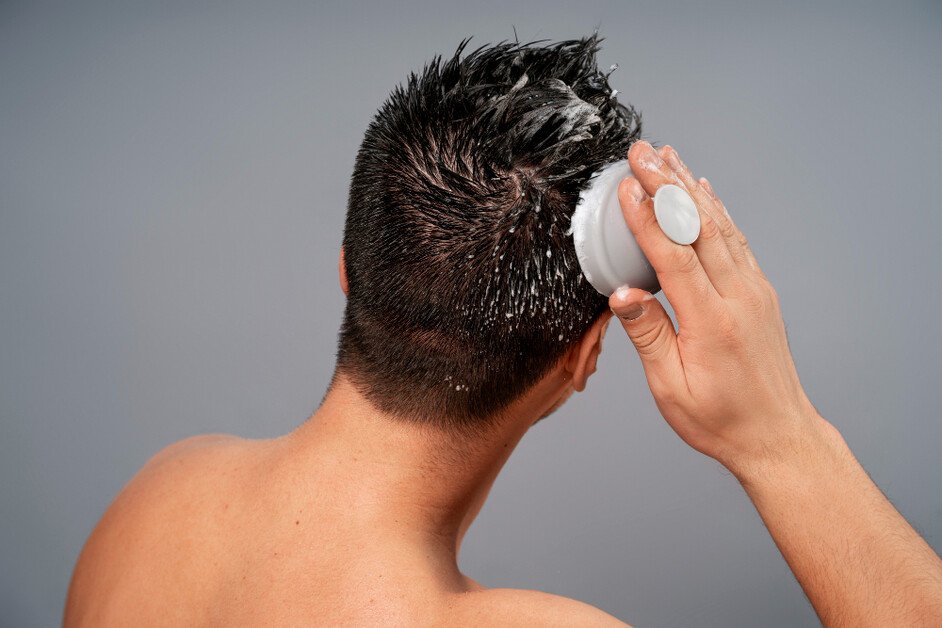
When natural remedies aren’t enough, medicated shampoos offer powerful solutions. Understanding the different active ingredients helps you choose the right product for your specific situation.
Key Active Ingredients to Look For
Different anti-dandruff ingredients work in different ways:
Zinc pyrithione is an antifungal and antibacterial agent found in many popular shampoos. It slows the growth of yeast on your scalp and is effective for mild to moderate dandruff.
Selenium sulfide reduces fungus and slows skin cell turnover, preventing excess flaking. It’s particularly effective for stubborn dandruff but may discolor light-colored or chemically-treated hair.
Ketoconazole is a powerful antifungal medication available in 1% over-the-counter formulations and stronger 2% prescription versions. It’s considered one of the most effective treatments for moderate to severe dandruff.
Salicylic acid works as an exfoliant, removing scalp buildup and dead skin cells. However, it can be drying, so follow up with a good conditioner.
Coal tar slows skin cell death and turnover. It’s very effective but has a strong odor and can stain fabrics.
Choosing a Medicated Shampoo for Itchy Scalp
If your primary symptom is intense itching, look for medicated shampoos that specifically address inflammation alongside fungal overgrowth.
Products containing zinc pyrithione or selenium sulfide are excellent first choices. They reduce both itching and flaking without being overly harsh.
For severe itching, ketoconazole-based shampoos provide the strongest relief by aggressively targeting the fungal infection causing irritation.
How to Use Anti-Dandruff Shampoo Correctly
Most people don’t use medicated shampoo properly, reducing its effectiveness.
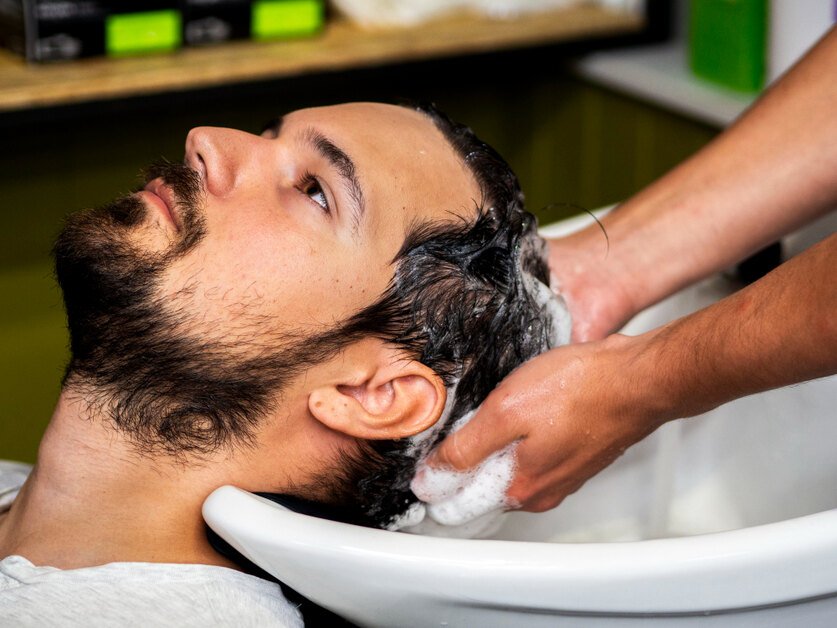
Apply the shampoo to wet hair and massage it thoroughly into your scalp, not just your hair. Let it sit for 5-10 minutes to allow the active ingredients to work. This contact time is crucial for effectiveness.
Rinse thoroughly and repeat if the label recommends it.
Use your medicated shampoo 2-3 times per week initially. Once your dandruff is under control, you can reduce frequency to once weekly for maintenance.
Rotating Shampoos for Better Results
If one shampoo stops working effectively, your scalp may have adapted to it. Dermatologists often recommend rotating between two different anti-dandruff shampoos with different active ingredients.
For example, use a zinc pyrithione shampoo for a few weeks, then switch to a ketoconazole formula. This prevents your scalp from developing resistance.
Scalp Treatments Beyond Shampoo
For severe cases or stubborn scalp buildup, consider additional treatments:
Scalp serums containing salicylic acid, tea tree oil, or prescription-strength antifungals can be applied directly to problem areas between washes.
Weekly scalp masks with ingredients like charcoal or clay help draw out impurities and excess oil while providing deep cleansing.
Professional scalp treatments from dermatologists or trichologists may include stronger prescription medications or medicated foams.
How to Prevent Dandruff from Coming Back (Long-Term Care Routine)
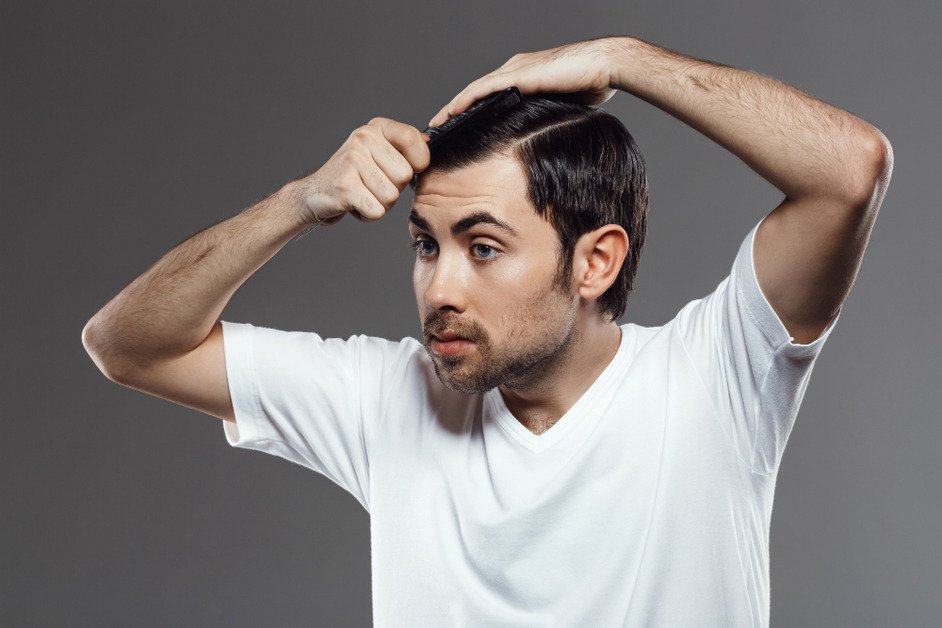
Successfully treating dandruff is only half the battle. Preventing recurrence requires consistent scalp care and lifestyle adjustments.
Establish a Consistent Hair Washing Schedule
Finding the right washing frequency is personal and depends on your hair type and oil production.
If you have an oily scalp, wash every other day or daily to prevent oil and dead skin buildup. For dry or normal scalps, 2-3 times per week is usually sufficient.
The goal is removing excess oil without stripping your scalp completely, which can trigger increased oil production.
Master the Art of Scalp Hygiene
Proper scalp cleansing goes beyond just using the right shampoo.
Focus your shampooing efforts on your scalp, not your hair length. Use your fingertips (not nails) to massage in circular motions, stimulating blood flow and loosening dead skin.
Rinse thoroughly. Shampoo residue can irritate your scalp and contribute to buildup problems.
How to Get Rid of Scalp Buildup
Scalp buildup from styling products, oil, and dead skin creates the perfect environment for dandruff.
Use a clarifying shampoo once a week to remove product buildup. Follow with a moisturizing conditioner on your hair lengths only, avoiding your scalp.
Consider a weekly scalp scrub with a gentle exfoliating product designed specifically for scalps. This removes accumulated debris that regular shampooing misses.
Lifestyle Adjustments That Matter
Several lifestyle factors significantly impact dandruff:
Manage stress through regular exercise, meditation, or activities you enjoy. Chronic stress weakens your immune response, making fungal overgrowth more likely.
Eat a balanced diet rich in zinc, B vitamins, and omega-3 fatty acids. These nutrients support scalp health and may reduce inflammation.
Stay hydrated. Drinking adequate water helps maintain skin moisture from the inside out.
Get enough sleep. Your body repairs and regenerates during sleep, including scalp tissue.
Weather and Seasonal Adjustments
Adapt your routine as seasons change:
In winter, use a humidifier indoors to combat dry air. Consider slightly less frequent washing if your scalp becomes too dry.
In summer, you may need to wash more frequently as heat and humidity increase oil production and sweating.
Clean Your Tools and Accessories
Your hairbrush, combs, and hats harbor dead skin cells, oil, and possibly fungus.
Clean brushes and combs weekly with shampoo and warm water. Replace them every 6-12 months.
Wash hats, headbands, and pillowcases regularly. These items contact your scalp constantly and can reintroduce fungus after treatment.
Know When to See a Dermatologist
While most dandruff responds to over-the-counter treatments, some situations require professional help:
If your dandruff doesn’t improve after 4-6 weeks of consistent treatment with medicated shampoos, consult a dermatologist.
Seek professional care if you experience severe itching, pain, redness that spreads beyond your scalp, or hair loss.
You may have seborrheic dermatitis, psoriasis, or another scalp condition that requires prescription treatment.
Maintenance Is Key
Once you’ve cleared your dandruff, don’t stop completely. Continue using your anti-dandruff shampoo once weekly as maintenance to prevent recurrence.
Think of it like brushing your teeth. Consistent care prevents problems from developing rather than constantly fighting established issues.
Your Path to a Flake-Free Future
Dealing with dandruff can feel frustrating and embarrassing, but it doesn’t have to control your life. With the right knowledge and consistent approach, you can effectively manage and prevent those unwanted flakes.
Remember that everyone’s scalp is unique. What works perfectly for your friend might not work for you. Be patient as you find the right combination of treatments, and don’t hesitate to try different approaches.
Start with gentle natural remedies if your dandruff is mild. Upgrade to medicated shampoos if you need more powerful intervention. Build a sustainable long-term routine that prevents recurrence.
Most importantly, understand that managing dandruff is an ongoing commitment, not a one-time fix. The good news? Once you establish an effective routine, maintaining a healthy, flake-free scalp becomes second nature.
Take action today. Your confidence and comfort are worth the effort. Say goodbye to those embarrassing flakes and hello to a healthy, happy scalp that lets you wear any color shirt with complete confidence.
