
We’ve all been there—running our fingers through our hair only to feel rough, straw-like strands that seem beyond repair. Whether it’s from years of heat styling, chemical treatments, or environmental stress, damaged hair can feel like a losing battle. But here’s the good news: even extremely damaged hair can be brought back to life with the right approach and consistent care.
Your hair is remarkably resilient, and understanding how to fix damaged hair starts with recognizing what’s happening beneath the surface. When your hair becomes damaged, the protective outer layer called the cuticle breaks down, exposing the inner cortex to further harm. This creates a cycle of damage that worsens over time if left untreated.
In this comprehensive guide, you’ll discover proven methods to repair damaged hair, practical home remedies that actually work, and protective strategies to prevent future damage. Whether you’re dealing with mildly frayed hair or severely burnt strands, these expert-backed solutions will help you restore your hair’s natural strength and shine.
Signs Your Hair Is Damaged
Before diving into repair solutions, it’s crucial to identify the extent of your hair damage. Recognizing these signs early allows you to take corrective action before the damage becomes irreversible.
Split Ends and Frayed Hair
Split ends are the most obvious indicator of damaged hair. When you examine your hair tips, you might notice they’re splitting into two or more strands, creating a forked appearance. This happens when the protective cuticle completely wears away, causing the hair shaft to literally unravel.
Frayed hair goes beyond simple splits—it looks fuzzy and uneven, with multiple fractures along the hair shaft. If your ends resemble a frayed rope, your hair has experienced significant structural damage.
Excessive Breakage and Hair Loss
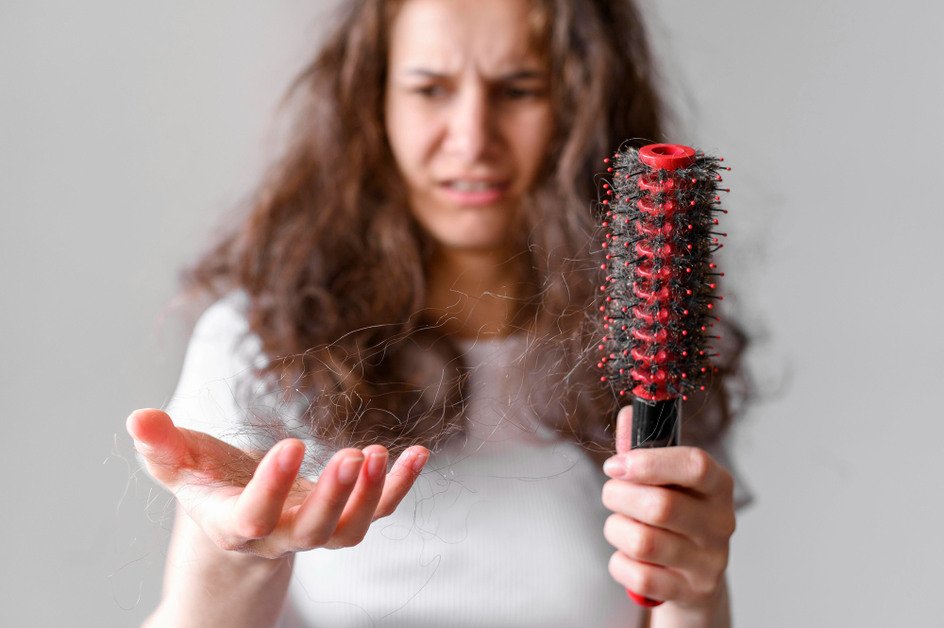
Finding more hair than usual on your pillow, in the shower drain, or on your brush is a red flag. While losing 50-100 hairs daily is normal, damaged hair breaks off mid-shaft rather than falling from the root.
You’ll notice shorter, broken pieces mixed with longer strands. This breakage often occurs during brushing, styling, or even just running your fingers through your hair.
Texture Changes and Dryness
Healthy hair feels smooth and soft to the touch. Damaged hair, however, feels rough, brittle, and straw-like. The texture becomes uneven, with some sections feeling coarser than others.
Extreme dryness is another telltale sign. When hair loses moisture and protein, it becomes porous and unable to retain hydration. You might notice your hair drinks up products quickly but still feels dry hours later.
Loss of Elasticity
Healthy hair can stretch up to 50% of its length when wet and return to its original state. To test your hair’s elasticity, take a single strand and gently stretch it. If it snaps immediately without stretching, your hair has lost its elasticity—a clear sign of protein and moisture imbalance.
Dead or severely damaged hair has virtually no elasticity and breaks with minimal tension.
Dullness and Lack of Shine
When the hair cuticle is intact and smooth, it reflects light beautifully, creating natural shine. Damaged hair has a lifted, rough cuticle that scatters light instead of reflecting it, resulting in a dull, lifeless appearance.
No amount of shine spray can replicate the natural luster of healthy hair. If your hair looks consistently dull even after washing, the cuticle layer needs repair.
Best Home Remedies to Repair Damaged Hair Naturally

Nature provides some of the most effective ingredients for repairing damaged hair. These home remedies work by penetrating the hair shaft, restoring moisture, and strengthening from within.
Deep Conditioning Coconut Oil Treatment
Coconut oil is one of the few oils that can actually penetrate the hair shaft due to its low molecular weight. It reduces protein loss and strengthens hair from the inside out.
Warm 2-3 tablespoons of virgin coconut oil until it melts. Apply generously from roots to ends, focusing extra attention on damaged areas. Massage it into your scalp to improve circulation.
Cover your hair with a shower cap and leave it on for at least 2 hours, or overnight for extremely damaged hair. Wash thoroughly with a gentle shampoo. Repeat this treatment once or twice weekly for visible results.
Avocado and Egg Hair Mask
This protein-rich mask combines the repairing power of eggs with the moisturizing benefits of avocado. Eggs contain keratin and amino acids that rebuild hair structure, while avocado provides essential fatty acids and vitamins.
Mash one ripe avocado until smooth and mix with one whole egg. Add a tablespoon of olive oil for extra moisture. Apply this mixture to damp hair, ensuring every strand is coated.
Leave it on for 30-45 minutes under a shower cap. The warmth helps ingredients penetrate deeper. Rinse with cool water first to prevent the egg from cooking, then follow with your regular shampoo.
Honey and Yogurt Moisture Treatment
Honey is a natural humectant that draws moisture into the hair shaft and locks it in. Combined with yogurt’s lactic acid and proteins, this treatment restores hydration and shine to dead, brittle hair.
Mix half a cup of plain yogurt with two tablespoons of raw honey. Apply to clean, damp hair and leave for 20-30 minutes. The yogurt gently cleanses while conditioning, making this treatment ideal for sensitive scalps.
Rinse thoroughly with lukewarm water. This mask is gentle enough to use weekly and works exceptionally well for fixing broken hair caused by over-processing.
Apple Cider Vinegar Rinse
Apple cider vinegar (ACV) restores your hair’s natural pH balance and smooths the cuticle layer. This simple rinse removes product buildup that weighs hair down and prevents moisture absorption.
Mix one part ACV with two parts water. After shampooing, pour this mixture over your hair, focusing on the mid-lengths and ends. Let it sit for 1-2 minutes, then rinse thoroughly.
The smell dissipates as your hair dries, leaving behind smooth, shiny strands. Use this rinse once weekly to maintain cuticle health and enhance your other repair treatments.
Aloe Vera and Castor Oil Treatment
Aloe vera contains proteolytic enzymes that repair dead skin cells on the scalp while penetrating the hair shaft with vitamins and minerals. Castor oil’s ricinoleic acid strengthens hair and promotes healthy growth.
Blend 3 tablespoons of fresh aloe vera gel with 1 tablespoon of castor oil. Apply to your scalp and work through to the ends. Massage gently for 5 minutes to boost absorption.
Leave this treatment on for at least one hour before washing. For extremely damaged hair repair, leave it overnight. This combination works particularly well for dry, chemically treated hair.
Haircare Routine to Revive Dead or Burnt Hair
Repairing damaged hair requires more than occasional treatments—it demands a complete routine overhaul. These daily practices will gradually restore your hair’s health and prevent further damage.
Washing Techniques That Protect
How you wash your hair matters as much as what you wash it with. Always use lukewarm or cool water, as hot water opens the cuticle excessively, leading to moisture loss and increased porosity.
Apply shampoo only to your scalp and roots. As you rinse, the shampoo running through your lengths is sufficient to clean without stripping natural oils from already fragile ends.
Limit washing to 2-3 times weekly if possible. Damaged hair needs time to absorb natural oils that provide protection and moisture. When you do wash, use a sulfate-free shampoo designed for damaged or color-treated hair.
The Right Way to Condition
Conditioning is non-negotiable for damaged hair repair. Apply conditioner from mid-length to ends, avoiding the roots unless your scalp is extremely dry.
Leave the conditioner on for at least 3-5 minutes to allow proper absorption. For better results, detangle your hair with a wide-tooth comb while the conditioner is in—this distributes the product evenly and minimizes breakage.
Once weekly, substitute your regular conditioner with a deep conditioning mask or treatment. These intensive formulas contain higher concentrations of proteins and moisturizers that penetrate deeper into the hair shaft.
Drying Methods That Minimize Damage
Your drying technique can either help or hinder your repair efforts. Never rub your hair vigorously with a towel—this causes friction and raises the cuticle, leading to more breakage and frizz.
Instead, gently squeeze excess water from your hair and wrap it in a microfiber towel or soft t-shirt. These materials absorb water without creating damaging friction.
Air drying is always preferable to heat drying. If you must use a blow dryer, apply a heat protectant first and use the lowest heat setting. Keep the dryer at least 6 inches away from your hair and constantly move it to prevent concentrated heat damage.
Brushing Without Breaking
Brushing damaged hair requires extra care and the right tools. Never brush wet hair when it’s most vulnerable. If you must detangle wet hair, use a wide-tooth comb and start from the ends, working your way up gradually.
For dry hair, use a brush with flexible bristles that bend rather than pull. Boar bristle brushes are excellent for distributing natural oils and adding shine without causing breakage.
Always brush from the bottom up, holding your hair above the section you’re working on to prevent tension at the roots. Be patient—rushing through tangles causes unnecessary breakage.
Protective Styling for Recovery
While your hair recovers, protective styles minimize manipulation and exposure to damage. Loose braids, low buns, and gentle twists keep hair secure without tension.
Avoid tight hairstyles that pull at your roots or create stress points along the hair shaft. Never sleep with your hair in a tight ponytail or bun.
Use fabric-covered hair ties instead of rubber bands, which can catch and break hair. Silk or satin scrunchies are ideal for securing hair without causing damage.
How to Protect Hair from Further Heat & Chemical Damage

Prevention is the most effective treatment for damaged hair. These protective strategies will safeguard your hair as it heals and maintain its health long-term.
Mastering Heat Protection
If you can’t eliminate heat styling entirely, proper protection is essential. Always apply a heat protectant spray or serum to damp hair before any heat exposure. These products create a barrier that reduces direct heat contact with your hair shaft.
Choose heat protectants containing silicones, which coat the hair effectively, or newer alternatives like amino acids and plant-based proteins that protect while nourishing.
Limit heat styling to once or twice weekly maximum. On other days, embrace your natural texture with air-drying techniques and heatless styling methods.
When you do use heat tools, keep temperatures below 350°F (175°C) for fine or damaged hair, and below 400°F (200°C) for thick or coarse hair. Modern styling tools with adjustable temperature settings make this easier than ever.
Rethinking Chemical Treatments
Chemical processes like bleaching, perming, and relaxing are among the most damaging things you can do to your hair. If your hair is already damaged, avoid these treatments entirely until it’s restored to health.
If you must color your hair, opt for semi-permanent dyes or highlights instead of all-over bleaching. Space treatments at least 8-10 weeks apart to give your hair recovery time between processes.
Always have chemical services performed by experienced professionals who can assess your hair’s condition and adjust formulations accordingly. Box dyes and at-home chemical treatments carry higher risks of uneven results and severe damage.
Environmental Protection Strategies
Environmental factors constantly damage your hair, even when you’re not actively styling it. UV rays from sun exposure break down protein structures and fade color, while chlorine and saltwater strip moisture and leave hair brittle.
Before swimming, wet your hair with clean water and apply a leave-in conditioner. Saturated hair absorbs less chlorine or salt water. Wear a swimming cap for extended water exposure.
In sunny weather, protect your hair with hats, scarves, or UV-protective sprays. Just as you wouldn’t skip sunscreen on your skin, your hair needs protection from harmful rays.
During winter, cold air and indoor heating create a moisture-depleting environment. Use a humidifier in your bedroom and apply leave-in conditioners or hair oils to seal in moisture.
Nutrition and Hydration for Hair Health
External treatments only go so far—true hair repair requires internal support. Your hair is made of protein, specifically keratin, so adequate protein intake is essential for strong, healthy growth.
Include lean meats, fish, eggs, legumes, and nuts in your diet. Biotin, found in eggs and avocados, supports hair structure. Omega-3 fatty acids from fish and flaxseed promote scalp health and reduce inflammation.
Vitamins A, C, and E protect against oxidative stress, while iron and zinc support healthy hair growth. If your diet lacks these nutrients, consider a supplement designed for hair health after consulting with a healthcare provider.
Hydration is equally crucial. Drink at least 8 glasses of water daily to keep your hair hydrated from the inside out. Dehydrated bodies produce dehydrated hair that’s more prone to breakage.
The Trimming Truth
While it might seem counterintuitive when you’re trying to grow healthy hair, regular trims are essential for repairing damaged hair. Split ends don’t heal—they continue splitting up the hair shaft, causing more damage.
Trim your hair every 6-8 weeks, removing just enough to eliminate split ends and frayed sections. This prevents damage from traveling upward and keeps your hair looking healthier as it grows.
If you have extremely damaged hair, you might need a more significant cut initially to remove the worst damage. While this might feel drastic, starting with a healthier baseline accelerates your overall recovery.
Your Journey to Healthy Hair Starts Now
Fixing damaged hair isn’t an overnight transformation—it’s a commitment to better practices and consistent care. Whether you’re dealing with heat damage, chemical processing aftermath, or years of neglect, your hair has the capacity to recover with the right approach.
Start by incorporating one or two home remedies into your weekly routine. As you notice improvements, build on your success by refining your daily haircare habits and eliminating damaging practices. Remember that the hair growing from your scalp is healthy—your goal is to protect it and gradually remove damaged lengths through regular trims.
Be patient with the process. Hair grows approximately half an inch per month, so visible transformation takes time. Celebrate small victories: improved texture, reduced breakage, and returning shine are all signs you’re on the right path.
Your hair tells the story of how you’ve treated it. By implementing these repair strategies and protective measures, you’re rewriting that story—one healthy strand at a time. The investment you make in proper haircare today will reward you with stronger, shinier, and more resilient hair for years to come.
