

You glance in the mirror and notice something unsettling. Your ponytail feels thinner. Your scalp seems more visible under certain lighting. The drain catches more hair after every shower.
If this sounds familiar, you’re not alone.
Hair thinning affects millions of people worldwide, cutting across age groups, genders, and lifestyles. Unlike sudden hair loss, thinning happens gradually, making it easy to dismiss until it becomes undeniable.
The good news? Understanding hair thinning is the first step toward managing it effectively. Whether you’re noticing early signs or dealing with advanced thinning, this guide will walk you through everything you need to know about causes, symptoms, and actionable solutions that actually work.
Let’s dive into what’s really happening on your scalp and how you can take control.
What Is Hair Thinning?
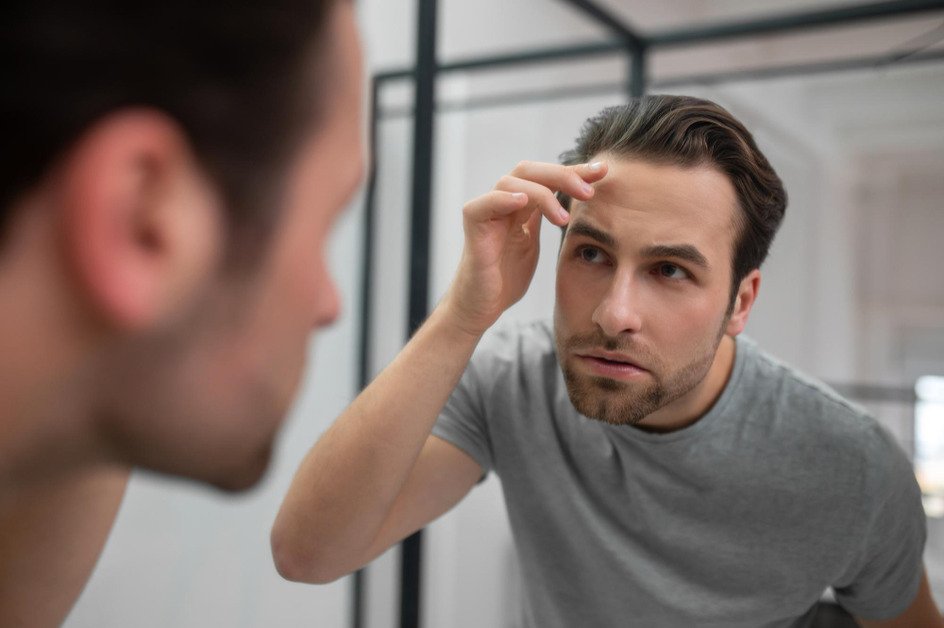
Hair thinning refers to a gradual reduction in hair density and diameter. Unlike balding, where hair completely stops growing in certain areas, thinning means your hair becomes finer, weaker, and less voluminous overall.
Think of it this way: you’re not necessarily losing more hair follicles, but the hair that grows is thinner and more fragile than before.
Each hair follicle on your scalp goes through a natural growth cycle consisting of three phases: anagen (growth), cartage (transition), and telogen (resting). In a healthy scalp, about 85-90% of follicles are in the growth phase at any time.
When hair thinning occurs, this cycle gets disrupted. More follicles enter the resting phase prematurely, and the growth phase shortens. The result? Hair strands become progressively finer with each cycle.
Hair thinning can happen all over your scalp (diffuse thinning) or concentrate in specific areas like the crown, temples, or hairline. Women often experience diffuse thinning across the top of the scalp, while men typically see recession at the temples and crown.
The texture changes too. Thinning hair often feels softer, limper, and lacks the body it once had. Styling becomes more challenging, and your usual products might stop working as effectively.
It’s important to distinguish thinning from shedding. Everyone sheds 50-100 hairs daily as part of the natural cycle. Thinning, however, means the replacement hair grows back weaker or doesn’t grow back at all.
Causes of Hair Thinning
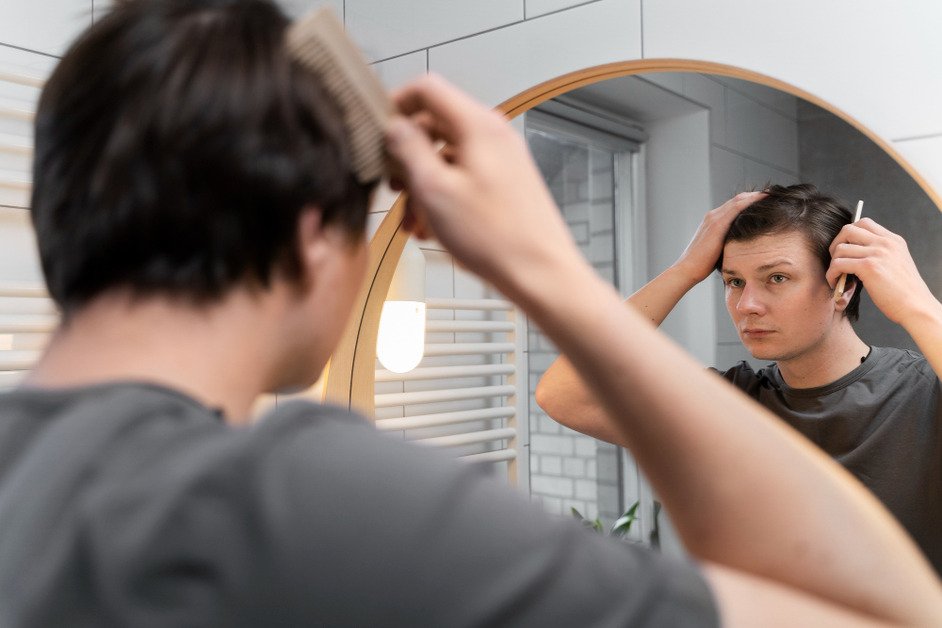
Understanding why hair thinning happens is crucial for finding the right solution. Multiple factors can trigger or accelerate this condition, and often it’s a combination rather than a single cause.
Genetics and Hormones
Androgenetic alopecia, commonly known as pattern baldness, is the leading cause of hair thinning. This hereditary condition affects both men and women, though it manifests differently.
The culprit is dihydrotestosterone (DHT), a hormone derived from testosterone. DHT binds to receptors in hair follicles, gradually shrinking them until they can’t produce healthy hair. If your parents or grandparents experienced thinning, your risk increases significantly.
Women may notice hormonal thinning during pregnancy, postpartum, or menopause when estrogen levels fluctuate dramatically.
Nutritional Deficiencies
Your hair needs specific nutrients to thrive. Iron deficiency is particularly problematic, as iron helps red blood cells carry oxygen to follicles. Without adequate oxygen, hair growth slows considerably.
Protein deficiency also matters since hair is primarily made of keratin, a structural protein. Inadequate protein intake forces your body to ration resources, and hair growth takes a backseat.
Vitamins like B12, D, and biotin play essential roles in follicle health. Zinc and selenium deficiencies have been linked to increased shedding and thinning.
Stress and Lifestyle Factors
Chronic stress triggers telogen effluvium, a condition where hair prematurely enters the resting phase. Physical stress from surgery, illness, or rapid weight loss can produce similar effects.
The connection between stress and hair health runs through cortisol, your body’s primary stress hormone. Elevated cortisol disrupts the hair growth cycle and can trigger inflammation around follicles.
Poor sleep quality, excessive alcohol consumption, and smoking all contribute to thinning by reducing blood flow to the scalp and introducing toxins that damage follicles.
Scalp Conditions and Hair Care Practices
Can dandruff cause hair thinning? Yes, severe dandruff and scalp conditions like seborrheic dermatitis create inflammation that weakens follicles. The constant itching and scratching can physically damage hair roots.
Fungal infections, psoriasis, and folliculitis all create hostile environments for healthy hair growth.
Over styling with heat tools, tight hairstyles (traction alopecia), chemical treatments, and harsh products strip hair of its protective layers. Using a good blow dryer for thin hair with proper heat settings can minimize damage, but excessive heat remains problematic.
Many discussions on hair thinning Reddit forums highlight how aggressive styling routines accelerated their thinning.
Medical Conditions and Medications
Thyroid disorders, both hyperthyroidism and hypothyroidism, directly impact hair growth. Autoimmune conditions like alopecia areata cause the immune system to attack hair follicles.
Certain medications including antidepressants, blood thinners, beta-blockers, and cholesterol-lowering drugs list hair thinning as a side effect. Chemotherapy causes temporary but dramatic thinning.
PCOS (polycystic ovary syndrome) in women creates hormonal imbalances that lead to thinning on the scalp while potentially increasing hair growth elsewhere.
Aging:
As we age, hair naturally becomes finer and grows more slowly. Follicles gradually shrink, and the anagen phase shortens. This explains why wash and wear haircuts for over 60 with thin hair have become so popular—they work with natural texture changes rather than against them.
The density of hair follicles per square inch also decreases with age, making thinning a natural part of the aging process for many people.
Symptoms of Hair Thinning
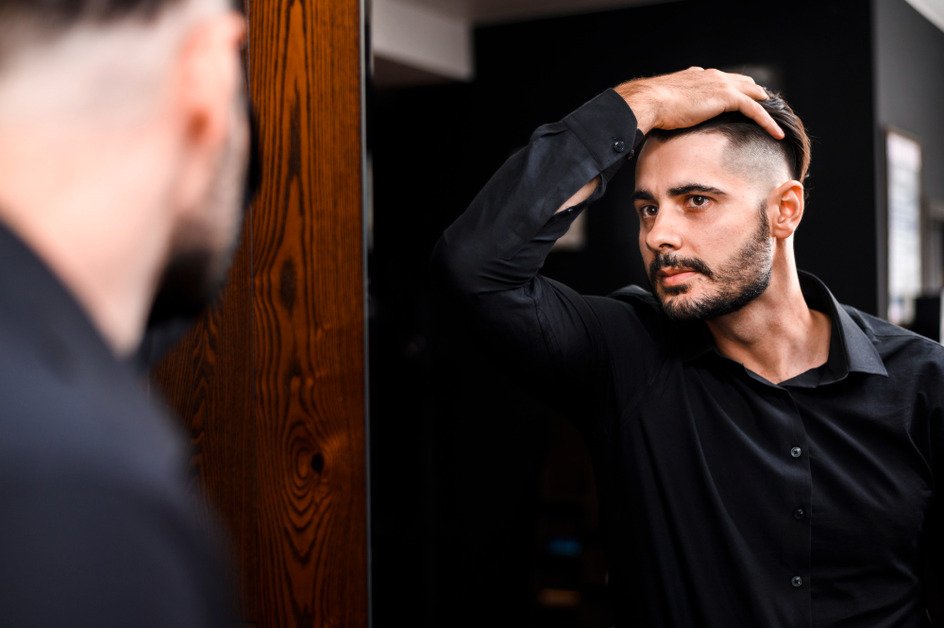
Recognizing the early warning signs allows you to take action before thinning becomes severe. Here’s what to watch for:
Increased Hair Shedding
While 50-100 daily shed hairs are normal, consistently finding clumps on your pillow, in the shower drain, or on your brush suggests a problem. Track your shedding over several weeks to identify patterns.
Visible Scalp
When you part your hair or look down at your crown, do you see more scalp than before? Increased visibility, especially under bright lights, indicates reduced density.
Women might notice their part widening gradually. Men often see the scalp becoming visible at the crown or temples first.
Reduced Volume and Body
Thinning hair loses its fullness. Your ponytail feels noticeably thinner, or your hair no longer holds styles the way it used to. Hairstyles that once worked perfectly now fall flat within hours.
A pixie cut for thin hair might suddenly become necessary because longer styles lack sufficient body.
Texture Changes
Thinning hair often feels softer, finer, or more brittle. Individual strands may break easily when you run your fingers through them. The hair might also become more prone to tangles.
Slower Growth
If your hair seems to stay the same length despite months of growth, or if it takes much longer to grow out than it used to, follicles may be struggling.
Recession at the Hairline
Pay attention to your temples and forehead. A receding hairline, even subtle changes, signals active thinning. Compare current photos to ones from a few years ago.
Bald Patches or Thinning Spots
Circular bald patches, particularly smooth ones, might indicate alopecia areata. Diffuse thinning across the entire scalp suggests telogen effluvium or androgenetic alopecia.
Noticing these symptoms doesn’t mean all hope is lost. Early detection actually improves your chances of successfully addressing the issue.
Solutions for Hair Thinning

The right solution depends on the underlying cause, but several evidence-based approaches can help restore thickness and promote healthy growth.
Medical Treatments
Minoxidil (Rogaine) is an FDA-approved topical treatment that stimulates hair follicles and extends the growth phase. Available over-the-counter in 2% and 5% concentrations, it works best when started early. Results typically appear after 3-4 months of consistent use.
Finasteride (Propecia), a prescription oral medication for men, blocks DHT production. It’s highly effective for androgenetic alopecia but requires ongoing use to maintain results.
Spironolactone, typically prescribed for women, blocks androgen receptors and can reduce hormonal thinning.
Low-level laser therapy (LLLT) devices use red light to stimulate cellular activity in follicles. FDA-cleared devices like laser combs and helmets show promise for both men and women.
Platelet-rich plasma (PRP) injections use your own blood components to stimulate growth factors in the scalp. While more research is needed, many patients report improved thickness.
Nutritional Interventions
Address deficiencies through diet and supplementation. Iron-rich foods include red meat, spinach, and lentils. Pair them with vitamin C to boost absorption.
Increase protein intake through eggs, fish, chicken, and plant-based sources like quinoa and beans. Aim for adequate amounts at each meal.
Biotin supplements (also called vitamin B7) support keratin production. Vitamin D, omega-3 fatty acids, and zinc also support hair health.
Consider a comprehensive blood panel to identify specific deficiencies before supplementing randomly.
Scalp Care and Hair Care Practices
Treat dandruff aggressively if present, as inflammation hampers growth. Use medicated shampoos containing ketoconazole, selenium sulfide, or zinc pyrithione.
Massage your scalp regularly to increase blood flow. Even 5 minutes daily can make a difference over time.
Switch to gentle, sulfate-free shampoos that don’t strip natural oils. Avoid washing too frequently—every 2-3 days is often sufficient for thinning hair.
When using a blow dryer for thin hair, keep it on low or medium heat and maintain at least 6 inches’ distance from your scalp. Consider air-drying when possible.
Limit chemical treatments, relaxers, and permanent dyes. If you must color, opt for gentler, ammonia-free formulas.
Stress Management
Incorporate stress-reduction techniques like meditation, yoga, or regular exercise. Physical activity improves circulation, including blood flow to the scalp.
Prioritize sleep—aim for 7-9 hours nightly. Poor sleep disrupts hormone balance and impairs the body’s repair processes.
Styling Strategies
Work with your hair’s current texture rather than fighting it. Wash and wear haircuts for over 60 with thin hair emphasize natural texture and require minimal styling, reducing daily damage.
A pixie cut for thin hair can create the illusion of fullness and remove the weight that pulls fine hair flat.
Use volumizing products specifically formulated for thin hair. Lightweight mousses and root-lifting sprays add body without weighing hair down.
Avoid tight ponytails, braids, or buns that create tension on follicles. Opt for loose styles that don’t pull at the roots.
Professional Consultation
If thinning persists despite home interventions, consult a dermatologist or trichologist. They can perform scalp analysis, blood tests, and trichoscopy to identify underlying causes.
Hair transplantation offers a permanent solution for advanced thinning, though it’s expensive and requires careful consideration.
Consistency Is Key
Most treatments require 3-6 months before results become visible because of the hair growth cycle. Don’t give up prematurely.
Take progress photos in consistent lighting and from the same angles. Hair growth happens slowly, making it hard to notice improvements without comparison points.
Remember that complete reversal isn’t always possible, especially with genetic thinning. The goal is often to slow progression and maximize the health of existing hair.
Moving Forward with Confidence
Hair thinning can feel overwhelming, but understanding its causes and symptoms empowers you to take meaningful action. Whether genetic factors, nutritional gaps, or lifestyle habits are contributing to your situation, targeted solutions can make a real difference.
Start with the basics: optimize your nutrition, manage stress, treat your scalp gently, and consider evidence-based treatments appropriate for your specific situation. Early intervention typically yields better results, so don’t wait for thinning to become severe.
Remember that hair thinning is incredibly common, and your part of a large community navigating similar challenges. From hair thinning Reddit communities to dermatology offices, resources and support are readily available.
Your hair doesn’t define your worth, but feeling confident about your appearance matters. Take the first step today—whether that’s scheduling a doctor’s appointment, adjusting your hair care routine, or simply being more mindful about scalp health.
Thicker, healthier hair is possible with the right approach, patience, and consistency.
