
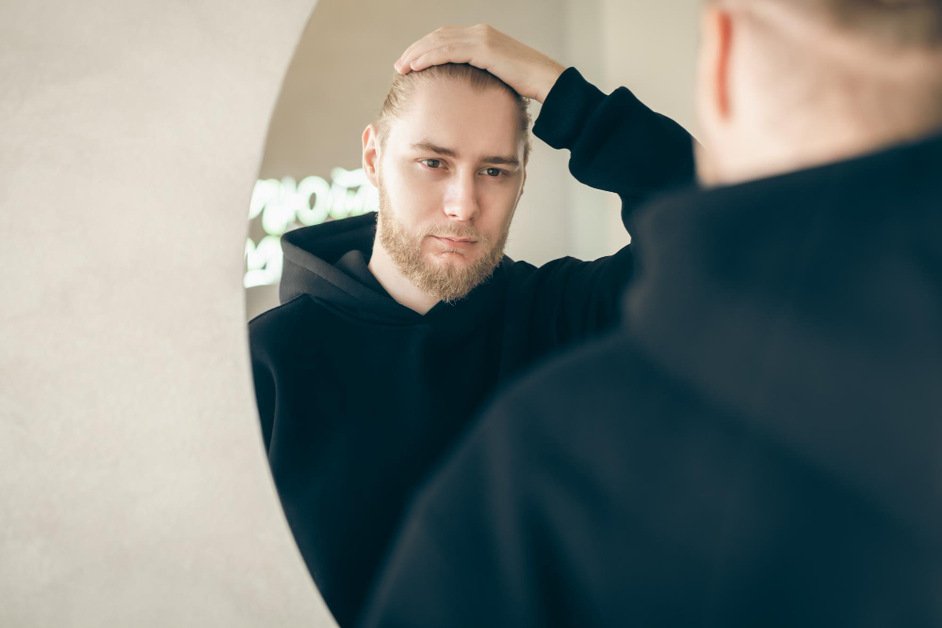
Looking in the mirror and noticing more hair on your pillow than on your head? You’re not alone.
Hair loss affects millions of men worldwide, and the frustration of watching your hairline recede or seeing thinning patches can take a real toll on your confidence. But here’s the good news: understanding what causes hair loss is the first step toward finding the right solution for you.
Whether you’ve just started noticing a few extra strands in the shower drain or you’ve been dealing with hair fall for years, this guide will walk you through everything you need to know about hair loss causes, practical solutions, and effective prevention strategies.
The reality is that hair loss rarely has just one cause. For most men, it’s a combination of factors working together—genetics, lifestyle choices, environmental influences, and sometimes underlying health conditions.
Let’s dive into the science behind why hair falls out and, more importantly, what you can do about it.
Causes of Hair Loss
Hair loss doesn’t happen randomly. Your body is trying to tell you something, and identifying the root cause is crucial for effective treatment.
Understanding what’s behind your hair fall helps you choose the right approach and set realistic expectations for recovery.
Genetic Hair Loss (Androgenetic Alopecia)
This is the most common cause of hair loss in men, affecting up to 50% of men by age 50. Male pattern baldness is hereditary and linked to hormones called androgens, particularly dihydrotestosterone (DHT).
DHT attaches to hair follicles and gradually shrinks them over time. This process, called miniaturization, makes hair thinner and shorter with each growth cycle until the follicle eventually stops producing visible hair altogether.
If your father or grandfather experienced hair loss, you’re more likely to face the same pattern. The classic signs include a receding hairline that forms an “M” shape and thinning at the crown.
Genetic hair loss typically starts gradually. You might first notice your hairline creeping back at the temples, or perhaps you’ll see more scalp showing through at the crown when you look in the mirror.
The pattern is predictable and progressive, which means it will continue without intervention. However, the rate of progression varies significantly between individuals—some men lose hair rapidly in their twenties, while others maintain most of their hair well into their fifties or sixties.
What makes genetic hair loss particularly frustrating is that it’s happening at the cellular level. Your hair follicles are genetically programmed to respond to DHT in a specific way, and this programming can’t be changed.
However, the good news is that we can interrupt the process that leads to hair loss, even if we can’t change the underlying genetic predisposition.
Hormonal Imbalances
Your hormones play a massive role in hair growth and loss. When thyroid hormones are out of balance—whether too high or too low—hair loss can occur.
Hypothyroidism (underactive thyroid) often causes hair to become dry, brittle, and prone to breaking. You might notice thinning across your entire scalp rather than in specific patterns.
Hyperthyroidism (overactive thyroid) can also trigger hair loss, though it’s less common than hypothyroidism as a cause of hair fall.
Testosterone imbalances don’t just affect muscle mass and energy levels. When testosterone converts to DHT in excess, it accelerates hair follicle miniaturization in genetically susceptible areas.
This is why some men who use anabolic steroids or testosterone replacement therapy experience accelerated hair loss—they’re flooding their system with hormones that convert to DHT.
Cortisol, your stress hormone, can also trigger hair loss when chronically elevated. This creates a domino effect that disrupts your hair’s natural growth cycle and can push large numbers of follicles into the resting phase prematurely.
The intricate relationship between hormones means that addressing hormonal imbalances often requires medical intervention. Blood tests can reveal hormonal issues, and proper treatment can help restore normal hair growth.
Nutritional Deficiencies
Your hair needs specific nutrients to grow strong and healthy. When you’re deficient in key vitamins and minerals, hair fall becomes inevitable.
Think of your hair follicles as tiny factories. They need raw materials to produce hair, and when those materials are lacking, production slows or stops.
Iron deficiency is one of the leading nutritional causes of hair loss. Iron helps red blood cells carry oxygen to your hair follicles, and without adequate iron, follicles can’t function properly.
Women aren’t the only ones affected by iron deficiency—men can develop it too, especially if they follow restrictive diets, have absorption issues, or experience chronic blood loss from conditions like ulcers.
Vitamin D deficiency has been linked to alopecia and poor hair growth. Since vitamin D helps create new hair follicles, low levels can lead to thinning hair.
Many people don’t get enough vitamin D, especially those who live in northern climates, work indoors, or consistently use sunscreen. Your body produces vitamin D when skin is exposed to sunlight, but modern lifestyles often limit this exposure.
B vitamins, particularly biotin and B12, are essential for hair health. Biotin deficiency is rare but can cause hair loss when it occurs. B12 deficiency is more common, especially in people who follow strict vegetarian or vegan diets, since B12 is primarily found in animal products.
Protein deficiency can also cause hair loss since hair is primarily made of a protein called keratin. If you’re not consuming enough protein, your body prioritizes essential functions over hair growth.
Zinc and selenium deficiencies affect hair tissue growth and repair. Zinc plays a crucial role in hair tissue repair and keeping the oil glands around follicles working properly. Selenium helps protect against oxidative damage.
Even if you’re eating regularly, poor dietary choices can leave your hair starving for nutrients. Fast food, processed meals, and restrictive fad diets often lack the nutritional diversity needed for healthy hair growth.
Medical Conditions
Several medical conditions directly impact hair health and can cause significant hair fall.
Alopecia aerate is an autoimmune condition where your immune system mistakenly attacks hair follicles, causing round patches of hair loss. This condition can be unpredictable and may affect small areas or progress to total hair loss.
The patches typically appear suddenly and can occur anywhere on the scalp or body. While the condition is not painful and doesn’t affect physical health otherwise, the psychological impact can be significant.
Scalp infections like ringworm can cause scaly, itchy patches and hair loss in affected areas. These fungal infections are treatable but require proper medical attention with antifungal medications.
Trichotillomania is a psychological condition that causes an irresistible urge to pull out hair. This hair-pulling disorder can lead to noticeable bald patches and requires behavioral therapy and sometimes medication to manage.
Chronic illnesses like diabetes, lupus, and polycystic ovary syndrome can all contribute to hair loss through various mechanisms affecting hormone levels and circulation.
Diabetes can damage blood vessels throughout your body, including the small vessels that supply your hair follicles. Poor blood sugar control can lead to reduced circulation and nutrient delivery to your scalp.
Lupus, an autoimmune disease, can cause inflammation that affects hair follicles. Some people with lupus experience patchy hair loss, while others see more diffuse thinning.
Skin conditions affecting the scalp, such as psoriasis or severe seborrheic dermatitis, create inflammation and scaling that can interfere with healthy hair growth. While these conditions don’t usually cause permanent hair loss, they can lead to temporary thinning and breakage.
Medications and Medical Treatments
Sometimes the cure causes its own side effects. Several medications can trigger hair loss as an unwanted consequence.
Chemotherapy drugs are notorious for causing hair loss because they target rapidly dividing cells, which includes hair follicles. While this type of hair loss is usually temporary, it can be complete and affects all body hair.
Blood thinners like warfarin and heparin can cause hair loss in some people. Beta-blockers used for high blood pressure and heart conditions have also been associated with hair fall.
Antidepressants, particularly older tricyclic antidepressants, can trigger hair loss in some individuals. Mood stabilizers and anti-anxiety medications may also have this side effect.
Acne medications containing vitamin A derivative, particularly isotretinoin (Accutane), can lead to hair thinning. The effect is usually temporary and resolves after stopping the medication.
Certain arthritis medications, particularly methotrexate, can cause hair loss. High doses of vitamin A supplements can also contribute to hair fall—more isn’t always better when it comes to vitamins.
Anabolic steroids, often used for bodybuilding, can accelerate male pattern baldness by increasing DHT levels significantly. The higher your testosterone levels, the more DHT your body can produce.
Blood pressure medications, particularly ACE inhibitors and beta-blockers, have been linked to hair loss in some patients. Anticoagulants and medications for gout can also trigger hair fall.
If you’ve recently started a new medication and noticed increased hair fall, don’t stop the medication without consulting your doctor. They may be able to adjust your dosage or switch you to an alternative with fewer hair-related side effects.
Always discuss concerns about medication side effects with your healthcare provider rather than discontinuing treatment on your own.
Stress and Lifestyle Factors
Modern life takes its toll, and your hair often pays the price.
Telogen effluvium is a condition where severe stress pushes large numbers of hair follicles into a resting phase. Within a few months, affected hairs can fall out suddenly when you simply wash or comb your hair.
The delay between the stressful event and hair loss often surprises people. You might experience significant stress in January but not notice increased shedding until March or April.
This type of hair loss can be triggered by physical stress like surgery, serious illness, high fever, or significant weight loss. The body essentially puts non-essential functions like hair growth on hold to focus energy on recovery.
Emotional stress from major life changes, trauma, or chronic anxiety can also trigger this condition. Divorce, job loss, death of a loved one, or prolonged periods of high stress all qualify as potential triggers.
The good news? Telogen effluvium is usually temporary, and hair typically regrows once the stressor is removed or managed. However, chronic ongoing stress can lead to persistent hair loss.
Poor sleep quality disrupts your body’s natural repair processes, including hair growth. During deep sleep, your body produces growth hormones that help repair cells and tissues, including hair follicles.
Chronic sleep deprivation affects hormone production, increases inflammation, and can accelerate hair loss. If you’re consistently getting less than 7 hours of quality sleep, your hair may be suffering.
Smoking restricts blood flow to hair follicles, depriving them of essential nutrients and oxygen. The toxins in cigarette smoke also create oxidative stress that damages hair follicles.
Studies show smokers are more likely to experience premature hair loss compared to non-smokers. The more you smoke and the longer you’ve been smoking, the greater your risk.
Excessive alcohol consumption can interfere with nutrient absorption and contribute to deficiencies that affect hair health. Alcohol also increases stress on your liver, which plays a role in hormone regulation.
Hair Care Practices
Sometimes we’re our own worst enemy when it comes to hair health.
Excessive heat styling with straighteners, curling irons, and blow dryers can damage hair shafts and weaken follicles over time. High temperatures break down hair proteins and strip protective oils.
While this doesn’t cause permanent hair loss, it leads to breakage that makes hair appear thinner. The cumulative damage from daily heat styling adds up over months and years.
Tight hairstyles like man buns, ponytails, or braids can cause traction alopecia. This type of hair loss occurs when constant pulling damages hair follicles, particularly around the hairline and temples.
Traction alopecia develops gradually and can become permanent if the stress on follicles continues for too long. Early signs include small bumps on the scalp, redness, and thinning at the hairline.
Harsh chemical treatments including bleaching, perming, and relaxing can weaken hair structure. Over-processing your hair strips away protective oils and damages the hair shaft from the inside out.
The chemicals used in these treatments can also irritate the scalp and damage follicles if they come into contact with the skin. This is particularly true when treatments are done too frequently or when products are left on too long.
Washing your hair too frequently with harsh shampoos can strip natural oils that protect your scalp and hair. Your scalp produces sebum for a reason—it creates a protective barrier and keeps hair moisturized.
Conversely, washing too infrequently allows oil and debris buildup that can clog follicles and create an unhealthy scalp environment. Finding the right balance for your hair type is important.
Using the wrong products for your hair type can also cause problems. Harsh, sulfate-heavy shampoos can be particularly damaging to already thinning hair.
Environmental Factors
Your surroundings impact your hair more than you might realize.
Pollution exposes your scalp to free radicals and toxins that can damage hair follicles and accelerate hair loss. Urban environments with high pollution levels show increased rates of hair problems in residents.
Particulate matter in polluted air can settle on your scalp and create buildup that interferes with healthy hair growth. These particles can also penetrate the scalp and cause inflammation at the follicle level.
UV radiation from the sun doesn’t just damage your skin—it can also harm your hair and scalp. Prolonged sun exposure breaks down hair proteins, making hair weak and brittle.
The scalp is particularly vulnerable to UV damage, especially in areas where hair is already thinning. Sunburned scalp can lead to inflammation and temporary increased shedding.
Hard water containing high mineral content can leave deposits on your scalp and hair, potentially interfering with healthy hair growth. Calcium and magnesium buildup can make hair feel rough and dry.
Over time, mineral deposits can coat hair strands and potentially clog follicles. If you live in an area with hard water, you might notice your hair feels different when you travel to areas with softer water.
Seasonal changes affect hair growth cycles, with many people experiencing increased shedding during fall and winter months. This is actually a normal biological response related to ancient survival mechanisms.
Cold, dry winter air can also make hair more brittle and prone to breakage. Indoor heating further strips moisture from both air and hair.
What Causes Hair Loss: The Science Behind Hair Fall
Understanding the hair growth cycle helps explain why hair loss happens and why treatments take time to work.
The more you understand about how hair grows, the better equipped you’ll be to make informed decisions about treatment and manage your expectations.
The Hair Growth Cycle
Your hair doesn’t grow continuously. Each follicle cycles through distinct phases that determine when hair grows, rests, and falls out.
This cycling process is normal and happens to every hair on your head throughout your life. Problems arise when the cycle is disrupted or when too many follicles enter the resting phase simultaneously.
The anagen phase is the active growth phase, lasting 2-7 years. About 85-90% of your hair is in this phase at any given time. The longer this phase lasts, the longer your hair can grow.
During anagen, cells in the hair follicle divide rapidly, adding to the hair shaft. The follicle is deeply embedded in the scalp and connected to blood vessels that provide nutrients.
Genetics largely determines how long your anagen phase lasts, which explains why some people can grow very long hair while others seem to have a maximum length.
The catagen phase is a short transitional period lasting about 2-3 weeks. During this time, hair stops growing and detaches from the blood supply.
The follicle shrinks and the hair moves upward toward the skin surface. This is essentially a transition period where the follicle prepares to rest.
Only about 1-2% of your hairs are in this phase at any given time, which is why it’s the shortest and least noticeable phase.
The telogen phase is the resting phase, lasting about 3 months. At the end of this phase, hair sheds naturally, and the follicle begins growing new hair.
About 10-15% of your hairs are in telogen at any time. When you see hairs on your pillow or in the shower drain, these are telogen hairs that have completed their cycle.
After shedding, the follicle remains dormant for a bit before starting the cycle again with a new anagen phase. This pause is normal and doesn’t indicate a problem.
Normally, you lose 50-100 hairs daily as part of this natural cycle. Hair loss becomes noticeable when this cycle is disrupted or when more follicles enter the resting phase simultaneously.
Various factors can disrupt this cycle—stress, hormones, illness, nutritional deficiencies—pushing more hairs into telogen prematurely or extending the resting phase.
The Role of DHT in Hair Loss
Dihydrotestosterone deserves special attention because it’s the primary hormone responsible for male pattern baldness.
Understanding DHT helps explain why male pattern baldness follows predictable patterns and why certain treatments work while others don’t.
DHT is created when the enzyme 5-alpha reductase converts testosterone. While DHT is important for male characteristics during development, in adulthood it can wreak havoc on genetically susceptible hair follicles.
Your body produces DHT throughout life, and it continues to play roles in maintaining male characteristics. The problem isn’t DHT itself—it’s how certain follicles respond to it.
When DHT binds to receptors in scalp follicles, it triggers a process that gradually shrinks them. The follicles produce thinner, shorter hair with each cycle until they eventually become dormant.
This process is progressive and irreversible without intervention. Each hair growth cycle produces slightly weaker hair until eventually the follicle produces only fine, nearly invisible vellus hair.
Interestingly, DHT doesn’t affect all hair follicles equally. Follicles on the sides and back of your head typically resist DHT’s effects, which is why these areas often maintain hair even in advanced baldness.
This selective sensitivity is genetic and explains the characteristic “horseshoe” pattern of advanced male pattern baldness. The exact biological reason for this selective sensitivity isn’t fully understood, but it’s consistent across populations.
This selective sensitivity is why hair transplants work—surgeons move DHT-resistant follicles from the back to thinning areas where they continue growing. These transplanted hairs maintain their original characteristics and continue resisting DHT in their new location.
The follicles essentially “remember” where they came from and behave accordingly, which is why properly done transplants provide permanent results.
Inflammation and Hair Loss
Chronic inflammation creates a hostile environment for hair growth.
While acute inflammation is part of normal healing, chronic low-grade inflammation damages tissues over time, including hair follicles.
When your scalp experiences ongoing inflammation, blood flow to follicles decreases, limiting nutrient delivery. Inflammatory compounds can also damage follicle cells directly.
Inflammation triggers the release of various signaling molecules that can interfere with the normal hair growth cycle. Some inflammatory compounds can push follicles into the resting phase prematurely.
Conditions like seborrheic dermatitis, psoriasis, and folliculitis create inflammation that can contribute to hair loss. Even low-grade inflammation from poor diet or stress can impact hair health over time.
Your overall inflammatory state affects your entire body, including your scalp. Eating anti-inflammatory foods, managing stress, and maintaining a healthy weight all help reduce systemic inflammation.
Reducing inflammation through diet, stress management, and proper scalp care can support healthier hair growth. Anti-inflammatory nutrients like omega-3 fatty acids can be particularly beneficial.
Blood Circulation and Nutrient Delivery
Your hair follicles need constant nourishment from your bloodstream.
Each follicle is fed by tiny blood vessels called capillaries. When circulation is poor, follicles receive insufficient oxygen and nutrients, leading to weakened hair growth.
Hair follicles are among the most metabolically active tissues in your body. They require significant energy and nutrients to support rapid cell division during the growth phase.
Factors that reduce scalp circulation include smoking, cardiovascular disease, diabetes, and even sitting for long periods. Improving overall cardiovascular health benefits your hair along with the rest of your body.
Anything that damages blood vessels or reduces circulation can potentially affect hair growth. This is why conditions like diabetes, which damage small blood vessels, often lead to hair problems.
Scalp massage, regular exercise, and staying hydrated all support healthy blood flow to your hair follicles. Simple practices like massaging your scalp while shampooing can make a difference over time.
Exercise improves circulation throughout your body and helps reduce stress, making it a particularly effective intervention for supporting hair health.
Solutions for Hair Loss
Now that you understand what causes hair loss, let’s explore proven solutions that can help you fight back.
The key to successful treatment is starting early, being consistent, and often combining multiple approaches for the best results.
FDA-Approved Medical Treatments
Two medications have solid scientific backing for treating hair loss, with decades of research supporting their effectiveness.
Minoxidil (Rogaine) is a topical solution applied directly to the scalp. It works by widening blood vessels and opening potassium channels, which may help more oxygen, blood, and nutrients reach follicles.
The exact mechanism isn’t fully understood, but research clearly shows it works for many men. Minoxidil appears to prolong the anagen growth phase and may help enlarge miniaturized follicles.
Studies show minoxidil can slow hair loss and stimulate regrowth in many men. Results typically appear after 4-6 months of consistent use. The treatment works best on the crown and less effectively on the frontal hairline.
You need to apply it once or twice daily depending on the formulation. Consistency is crucial—missing applications reduces effectiveness. The foam version tends to be less irritating than the liquid for most users.
Finasteride (Propecia) is an oral medication that blocks the 5-alpha reductase enzyme, preventing testosterone from converting to DHT. By lowering DHT levels, finasteride can stop hair loss progression and promote regrowth.
It’s taken once daily and works systemically throughout your body. Finasteride lowers DHT levels by up to 70%, which is usually enough to halt hair loss in genetically susceptible follicles.
Clinical trials show finasteride stops hair loss in about 80% of men and promotes some regrowth in about 60%. Like minoxidil, it requires several months to show results and continuous use to maintain benefits.
The hair you maintain or regrow depends on continuing treatment. If you stop taking finasteride, DHT levels return to normal and hair loss resumes.
Both medications work best when started early, before significant hair loss occurs. Once follicles are dormant for years, they become increasingly difficult to revive.
Discuss potential side effects and suitability with your doctor. While most men tolerate these medications well, some experience side effects that make them unsuitable.
Natural Remedies and Supplements
While not as rigorously studied as medications, several natural approaches show promise for supporting hair health.
Saw palmetto is a plant extract that may work similarly to finasteride by blocking DHT conversion. Some studies suggest it can improve hair growth, though results are less dramatic than prescription medications.
The evidence for saw palmetto is mixed, but some men prefer trying natural options first. It’s generally well-tolerated with minimal side effects.
Biotin supplements have become popular for hair health. While biotin deficiency can cause hair loss, supplementing only helps if you’re actually deficient. Most people get adequate biotin from their diet.
That said, some people do report improvements in hair quality when taking biotin supplements, possibly due to undiagnosed deficiency or other factors.
Pumpkin seed oil has shown potential in small studies for improving hair growth. It may work by blocking DHT and providing nutrients that support hair health, including zinc and vitamin E.
One study found men taking pumpkin seed oil experienced a 40% increase in hair count compared to a 10% increase in the placebo group after 24 weeks.
Caffeine-based topical treatments may stimulate hair follicles and counteract DHT’s effects when applied directly to the scalp. Caffeine appears to stimulate follicles at the cellular level.
Some studies show topical caffeine can prolong the anagen phase and promote hair shaft growth. Caffeine shampoos and solutions are widely available.
Rosemary oil has been studied alongside minoxidil and showed comparable results in one trial. It may improve circulation and reduce inflammation when massaged into the scalp.
The study found that after six months, both minoxidil and rosemary oil groups experienced significant increases in hair count, with no significant difference between them.
Before taking any supplement, consult a healthcare provider, especially if you’re on other medications. Supplements can interact with medications and some may not be appropriate for everyone.
Platelet-Rich Plasma (PRP) Therapy
This innovative treatment uses your own blood to stimulate hair growth through growth factors.
During PRP treatment, a small amount of blood is drawn and processed to concentrate platelets. This platelet-rich plasma is then injected into the scalp in areas experiencing hair loss.
Platelets contain growth factors that may stimulate dormant follicles and improve hair density. Studies show PRP can be effective, particularly when combined with other treatments like finasteride or minoxidil.
The growth factors released by platelets include substances that promote cell growth, blood vessel formation, and tissue healing. These same factors may help reactivate miniaturized follicles.
Most patients need multiple sessions spaced several weeks apart, followed by maintenance treatments. While promising, PRP can be expensive and isn’t covered by insurance.
A typical treatment protocol involves three sessions spaced one month apart, followed by maintenance treatments every 4-6 months. Results vary between individuals.
Low-Level Laser Therapy (LLLT)
FDA-cleared laser devices use red light to stimulate cellular activity in hair follicles.
These devices come as caps, helmets, or combs that you use at home several times weekly. The light energy may improve blood flow, reduce inflammation, and activate follicles.
The mechanism involves photobiomodulation—light energy being absorbed by cells and converted into cellular energy that can stimulate various biological processes.
Clinical studies show LLLT can increase hair count and thickness with consistent use over several months. It’s non-invasive with minimal side effects, though devices can be costly.
Most protocols recommend using the device 3-4 times weekly for 15-30 minutes per session. Like other treatments, consistency is key and results take several months to appear.
Hair Transplant Surgery
For advanced hair loss, surgical restoration provides permanent results by moving healthy follicles to thinning areas.
Follicular unit transplantation (FUT) removes a strip of scalp from the back of your head, which is then divided into individual grafts and transplanted to thinning areas.
This technique allows for the harvest of a large number of grafts in one session. The linear scar left at the donor site can usually be hidden by surrounding hair.
Follicular unit extraction (FUE) removes individual follicles directly from the donor area without a linear scar. This technique has become increasingly popular due to shorter recovery times and less visible scarring.
FUE is more time-consuming and typically more expensive than FUT, but many men prefer it because it doesn’t leave a linear scar.
Modern hair transplants look natural when performed by skilled surgeons who understand hairline design, proper angulation, and appropriate density. Technology has advanced significantly in recent years.
However, surgery is expensive, requires recovery time, and doesn’t prevent continued loss of non-transplanted hair. You may need medical treatment to maintain existing hair.
Good candidates have sufficient donor hair and realistic expectations about results. Not everyone is suitable for transplant surgery.
Lifestyle Modifications
Sometimes the best solutions don’t come in bottles—they come from healthy lifestyle choices.
Improving your diet to include protein, iron, zinc, and vitamins supports hair health from within. Focus on whole foods, lean proteins, leafy greens, nuts, and fatty fish.
Your hair reflects your overall health, so eating a nutrient-dense diet benefits not just your hair but your entire body.
Managing stress through meditation, exercise, or therapy can prevent stress-induced hair loss. Even simple practices like deep breathing or regular walks make a difference over time.
Finding stress management techniques that work for you is essential. What works varies by individual—some people find relief in meditation, others in exercise, and others in creative pursuits.
Getting 7-9 hours of quality sleep allows your body to repair and regenerate, including hair follicles. Sleep is when growth hormone levels peak and cellular repair processes occur.
Quitting smoking improves circulation throughout your body, including your scalp. The benefits extend far beyond your hair—your overall health will improve dramatically.
Within months of quitting, circulation begins to improve and cells receive more oxygen and nutrients.
How to Control Hair Loss?
Prevention is easier than reversal. Here’s how to protect the hair you have and optimize conditions for growth.
Taking proactive steps now can prevent or minimize future hair loss, even if you’re genetically predisposed.
Develop a Healthy Hair Care Routine
Treat your hair gently to minimize unnecessary loss and breakage.
Use a mild, sulfate-free shampoo designed for your hair type. Wash 2-4 times weekly unless you have very oily hair or scalp conditions requiring more frequent washing.
Sulfates can strip natural oils and potentially irritate the scalp. Many people find their hair and scalp health improves when they switch to gentler cleansers.
Always condition your hair after shampooing to protect and strengthen hair shafts. Focus conditioner on the lengths and ends rather than the scalp.
Conditioning helps seal the hair cuticle and provides moisture. Choose a conditioner appropriate for your hair thickness and needs.
When drying, pat hair gently with a towel instead of rubbing vigorously. Air dry when possible, or use a blow dryer on a cool or low heat setting.
Rough towel drying can cause breakage and damage, especially when hair is wet and more fragile.
Brush gently with a wide-toothed comb, starting from the ends and working toward the roots to prevent breakage. Never force a comb through tangles.
Wet hair is more fragile than dry hair, so be especially gentle when detangling after washing.
Protect Your Scalp
A healthy scalp environment is essential for healthy hair growth—follicles can’t thrive in an unhealthy environment.
Keep your scalp clean but not stripped. Balance is key—over-washing removes protective oils while under-washing allows buildup that can clog follicles.
Pay attention to how your scalp feels. It shouldn’t be excessively oily, dry, itchy, or irritated.
Massage your scalp regularly to improve circulation. Spend 5-10 minutes a few times weekly gently massaging in circular motions.
Scalp massage feels good and may provide real benefits by improving blood flow to follicles. Use your fingertips, not your nails.
Protect your scalp from sun damage by wearing a hat during prolonged outdoor exposure. UV radiation damages both scalp skin and hair.
This is especially important if you already have thinning areas where your scalp is more exposed to the sun.
Address scalp conditions like dandruff, seborrheic dermatitis, or psoriasis promptly with appropriate treatments. Chronic scalp issues contribute to hair problems.
Don’t ignore persistent scalp problems. See a dermatologist if over-the-counter treatments aren’t resolving the issue.
Optimize Your Nutrition
Feed your hair from the inside out with a balanced, nutrient-rich diet.
Ensure adequate protein intake since hair is primarily protein. Include lean meats, fish, eggs, legumes, or plant-based protein sources daily.
Aim for 0.8-1 gram of protein per kilogram of body weight daily, more if you’re very active.
Eat iron-rich foods like red meat, spinach, lentils, and fortified cereals. Pair plant-based iron sources with vitamin C for better absorption.
If you’re vegetarian or vegan, pay extra attention to iron intake as plant-based iron is less readily absorbed.
Get omega-3 fatty acids from fatty fish, walnuts, or flaxseeds. These healthy fats support scalp health and reduce inflammation throughout your body.
Aim to eat fatty fish like salmon, mackerel, or sardines twice weekly for optimal omega-3 intake.
Include foods rich in vitamins A, C, D, and E. Colorful fruits and vegetables, along with moderate sun exposure or vitamin D supplements, support hair health.
A varied, colorful diet generally provides the vitamins you need. Consider supplementation only if deficiencies are identified.
Stay hydrated by drinking adequate water throughout the day. Dehydration affects every cell in your body, including hair follicles.
Aim for eight 8-ounce glasses daily, more if you’re active or in hot climates.
Monitor and Address Health Issues
Your overall health directly impacts your hair—you can’t separate hair health from general health.
Schedule regular check-ups to monitor thyroid function, iron levels, and overall health. Many conditions that cause hair loss are treatable when caught early.
Annual physicals can identify issues before they cause noticeable symptoms, including hair loss.
Manage chronic conditions like diabetes or autoimmune diseases with your healthcare provider. Proper management can prevent hair loss complications.
Good disease management protects not just your hair but your overall quality of life.
Review medications with your doctor if you notice increased hair fall after starting a new prescription. Alternative medications may be available.
Never stop prescribed medications without medical supervision, but do discuss concerns with your doctor.
Reduce Damage from Styling
Small changes in your grooming routine can prevent unnecessary hair loss over time.
Limit heat styling to special occasions. When you do use heat tools, apply a heat protectant spray first and use the lowest effective temperature.
Modern styling tools often have adjustable temperature settings—use them on lower settings whenever possible.
Avoid tight hairstyles that pull on your hairline. If you wear your hair back, keep it loose enough to avoid tension.
Pay attention to any soreness or pulling sensation—these are signs the style is too tight.
Skip harsh chemical treatments or space them out significantly. If you color your hair, consider gentler techniques like balayage rather than all-over bleaching.
The less you chemically process your hair, the healthier it will remain.
Choose hair products without harsh sulfates, parabens, or alcohols that can dry and damage hair.
